Procedures Performed
- Rhinoplasty
Rhinoplasty Case
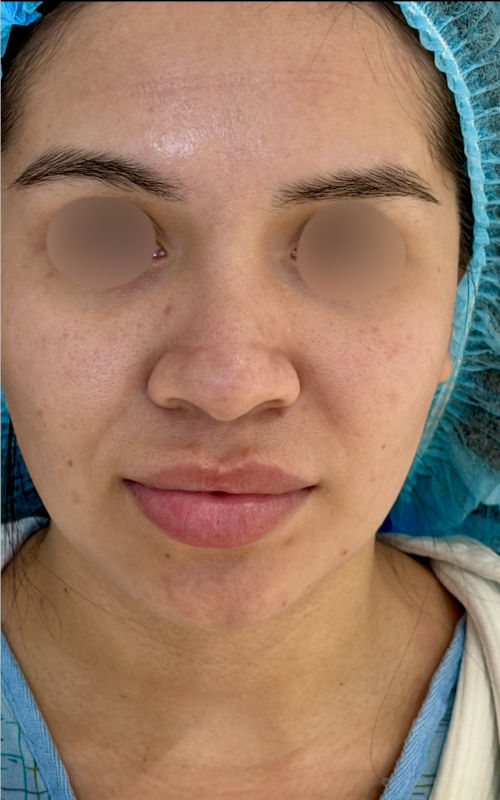
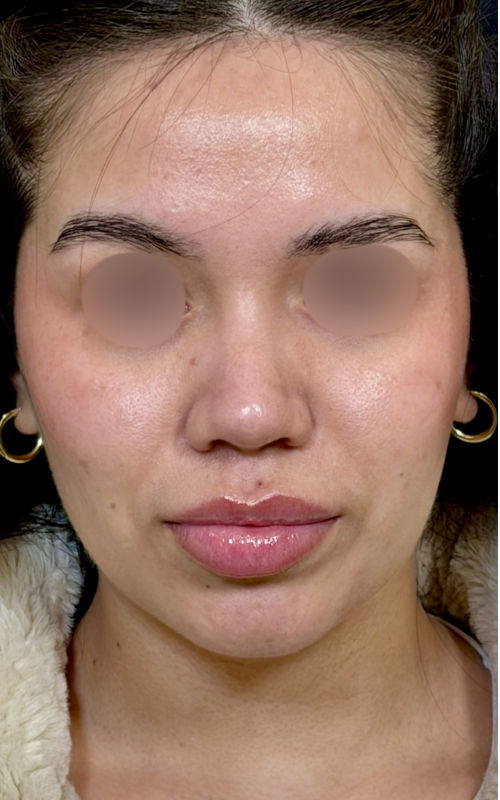
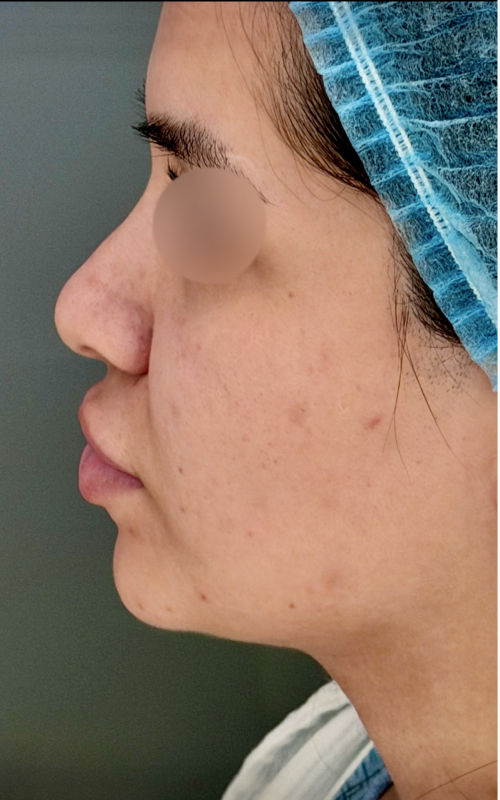
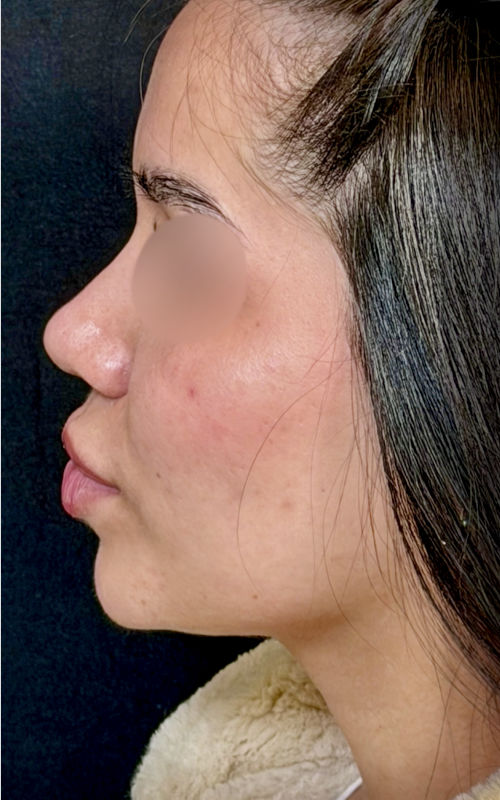
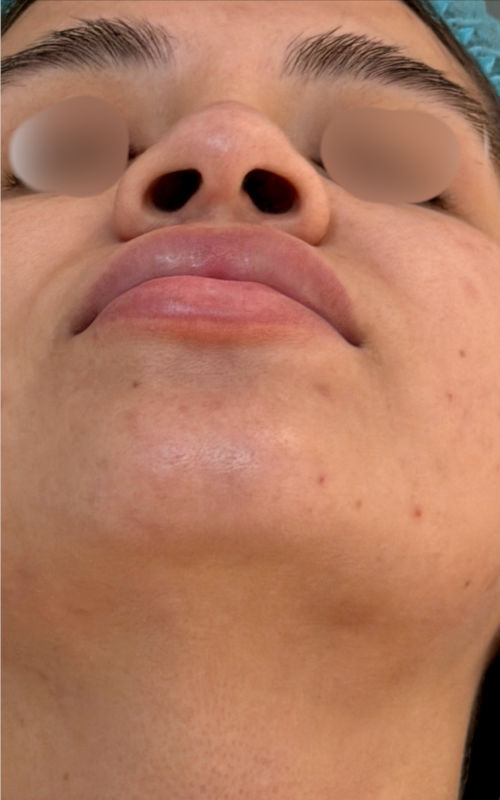
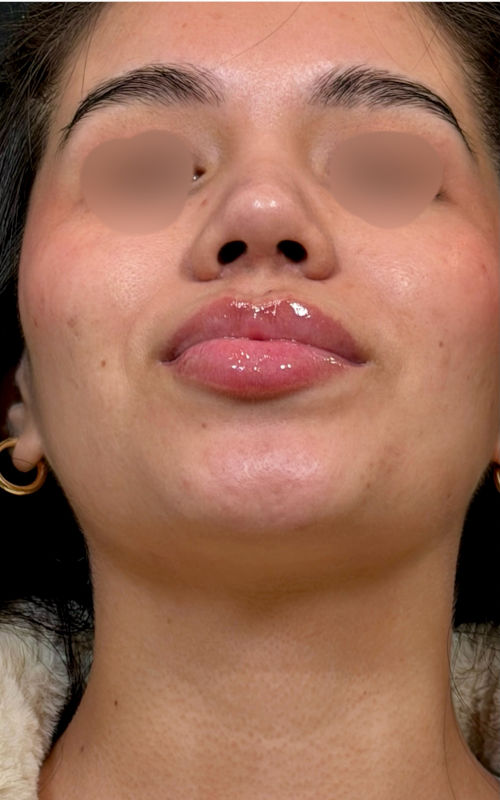
This patient is shown four months after rhinoplasty for a thick skin nose. Thick nasal skin can make rhinoplasty more challenging because swelling tends to last longer and final tip definition takes more time to appear. Even so, with the right surgical approach, excellent and natural-looking rhinoplasty results are still possible.
In this case, the goals of surgery were to refine and project the nasal tip, improve overall nasal shape, and narrow the nostrils with alar base reduction. Special attention was given to creating better structure and support in the tip so the nose would look more defined and balanced as healing progresses.
At four months after surgery, there is already a clear improvement in nasal contour. The tip appears more refined and projected, the nostrils are narrower, and the nose looks more harmonious with the patient’s facial features. Because the patient has very thick skin, some swelling remains in the tip, which is expected. This swelling will continue to gradually decrease over the next year, allowing even more refinement to become visible.
Patients with thick skin often worry that rhinoplasty will not give them enough definition. This case shows that thick skin rhinoplasty can still produce beautiful results, but patience is important. The healing process is slower, and postoperative care plays an important role in achieving the best outcome. Depending on the patient, aftercare may include nasal taping, skin care to reduce oiliness, cortisone injections, and in some cases medications such as oral retinoids.
These early results highlight how rhinoplasty can improve tip definition, nasal projection, and nostril shape while preserving a natural appearance. For patients with thick skin, a customized surgical plan and careful follow-up are key to achieving a refined, balanced, and long-lasting result.