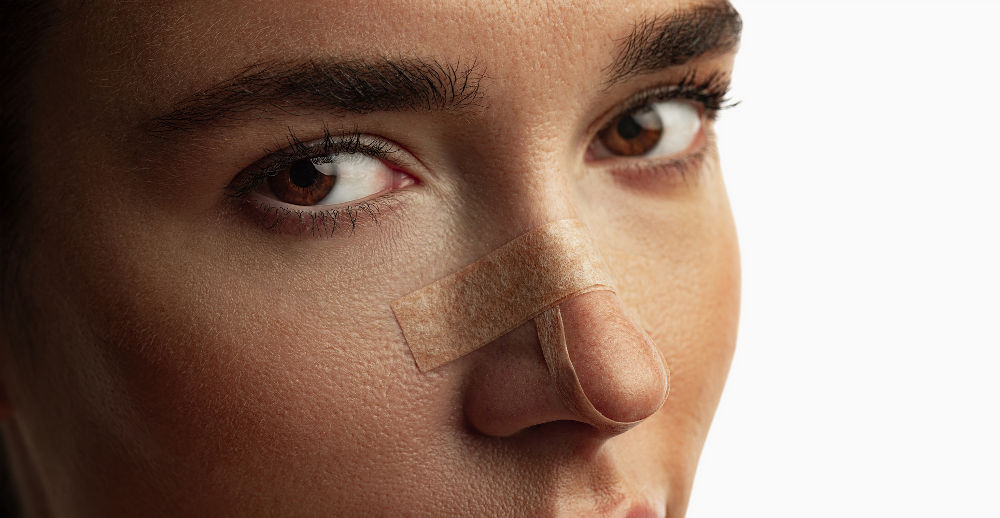
One of the more irritating parts of rhinoplasty recovery is not the swelling people expect. It is the feeling that your nose is dirty, blocked, crusted, or simply strange, and you are not allowed to deal with it the way you normally would.
That catches patients off guard. They expect bruising. They expect tenderness. What they do not always expect is how much they will want to wipe, blow, rinse, pick at, or clear the nostrils in the first few days.
This is where people can get themselves into trouble.
Cleaning after rhinoplasty matters, but the goal is not to “clean out” the nose. The goal is to keep the outside area comfortable, reduce dryness where possible, and avoid doing anything that stirs up bleeding or disrupts healing tissue. Early on, the nose is delicate in a very literal sense. The lining inside is swollen. Small blood vessels are fragile. If there are splints, tape, or sutures involved, the margin for overdoing it is small.
So yes, hygiene matters. But gentleness matters more.
What follows is the version most patients actually need: what is safe, what is not, what tends to be normal, and when something stops being routine enough to ignore. As always, your own surgeon’s instructions come first if they differ from general guidance.
Key Takeaways
- You can usually keep the outside of the nose clean after surgery, but not with pressure, rubbing, or deep cleaning.
- The first week is mostly about leaving the nose alone. Congestion, crusting, and mild blood-tinged drainage are common.
- Saline spray is often used after rhinoplasty because it helps with dryness and softens crusting, but it should be used the way your surgeon advises.
- Nose blowing is usually off limits early on. The exact clearance point varies.
- Cotton swabs are not automatically safe just because they seem gentle. If they are used at all, it is usually only at the visible rim and only if your surgeon has said so.
- Worsening bleeding, rising pain, bad-smelling drainage, fever, or a sudden change after trauma should not be brushed off.
Why Nasal Hygiene Matters During Recovery
Patients usually think about hygiene after rhinoplasty because the nose feels blocked or crusty. That is part of it, but not the whole story.
A clean outer nostril area is more comfortable, yes. It can also reduce irritation from dried discharge sitting on the skin. And once saline is introduced, moisture often makes the nose feel less tight and less itchy. People breathe through their mouth a lot in the early days, especially at night, and that tends to make the whole area feel dry and unpleasant.
But there is another side to it. The nose can be irritated very easily after surgery.
This is why overly aggressive cleaning creates problems that careful patients were trying to avoid in the first place. Bleeding may restart. Swelling may flare. Something that was settling down can become angrier just because the nose was rubbed, scraped, or “cleaned” too enthusiastically.
That is the basic rule of post-op rhinoplasty hygiene. Help the area stay comfortable, but do not interfere with healing in the name of being thorough.
What’s Normal, and What Isn’t
A lot of worry after rhinoplasty comes from normal symptoms that simply feel unpleasant.
Congestion in the first week or two is common. Sometimes very common. Patients often think they are full of mucus, but the blocked feeling is usually from swelling inside the nose rather than something that needs to be blown out.
Crusting is also common, especially near the nostril openings. Usually it looks worse to the patient than it actually is. Small dry bits, slight staining, a little firmness around the rim of the nostril — that is typical early on.
Mild blood-tinged drainage is another one that alarms people. A faint pink or brownish tinge can happen, especially in the early phase. So can dryness. So can the frustrating sense that one side feels more blocked than the other on a given day.
That said, there are things that should not just be “watched.”
Persistent or heavy bleeding is not something to self-manage for too long. Fever matters. Foul smell matters. Pain that is building rather than easing off matters. A sudden new severe blockage on one side, especially after improvement had already started, is worth asking about. And if the nose gets hit and then looks different, even subtly different, the clinic should know.
Patients are sometimes hesitant to call because they do not want to overreact. In recovery, that is rarely the problem. The bigger issue is waiting too long because you hoped it would settle by itself.
The Cleaning Timeline
The easiest way to think about cleaning after rhinoplasty is by stage, because what is sensible on day three is not the same as what is sensible in week four.
Days 1 to 7
The first week is protective. Minimal contact is the right instinct.
If there is a splint, tape, dressings, or internal support in place, leave them alone unless you were specifically told otherwise. Do not try to clean under them. Do not loosen anything to “freshen up” the area. It is better to feel a bit unwashed for a few days than to disturb something that was placed carefully during surgery.
Most patients can wash the face around the nose rather than over it. Cheeks, chin, forehead, no problem if done gently. The nose itself is different. Around the nostrils, a gentle wipe is usually enough if a little dried discharge is present, but this is not the moment for rubbing, pressing, or repeated dabbing because you want it to look perfect.
If you sneeze, do it with your mouth open. People hear that advice a lot because it matters. The same logic applies to nose blowing: don’t. Early pressure inside the nose is exactly what you are trying to avoid.
What should you do in this stage? Keep the outside reasonably clean. Be gentle. Accept that the nose will not feel normal.
What should you avoid? Inserting anything into the nostrils. Aggressive wiping. Hot steam if it makes swelling worse. And the habit many patients struggle with most: picking at visible crusting because it is annoying to look at.
Weeks 2 to 3
This is when patients often feel a little bolder. Sometimes too bold.
The outside looks better. Maybe the splint is off. There is less bruising. The temptation is to return to normal hygiene right away, but the inside is still healing.
This is the stage when saline spray is commonly introduced or continued. It helps by keeping the nasal lining moist. That alone can make a real difference. Crusting softens. Dryness eases. The inside of the nose feels less irritated. It is one of the few simple things that genuinely helps without requiring effort.
Technique matters. Saline should be gentle. Think mist, not force. You are not power-washing the nose. You are adding moisture.
Patients often ask about cotton swabs here, because by now there may be visible crusting at the nostril edge. The conservative answer is the safest one: only if your surgeon has told you to, and only at the visible outer rim. Not deep. Not probing. Not “just a little further” because you can see something.
This is also the stage when people sometimes cause a small bleed because they thought a crust was ready to come off and it wasn’t. If it is stuck, leave it. Moisture and time are better tools than scraping.
Weeks 4 to 6 and After
By this point, life starts feeling more normal. Not fully normal, but closer.
Face washing usually becomes easier. Tenderness is often less noticeable. The need to fuss with the nostrils every few hours tends to calm down because the crusting is usually less dramatic by now. Even so, the nose is still not something to treat roughly.
This is also when patients start asking about skincare. Sensible question. A gentle cleanser is one thing. Strong acids, retinoids, exfoliating products, or anything that leaves the skin feeling hot and tight is another. The skin around the nose may still be reactive, especially if tape has been used or the area has been dry. It makes sense to return to harsher products gradually, not all at once.
Swelling can still fluctuate in this period. That is why even “normal” cleansing should stay gentle for a while.
Saline Spray and Rinses Are Not the Same Thing
This is where a lot of confusion happens.
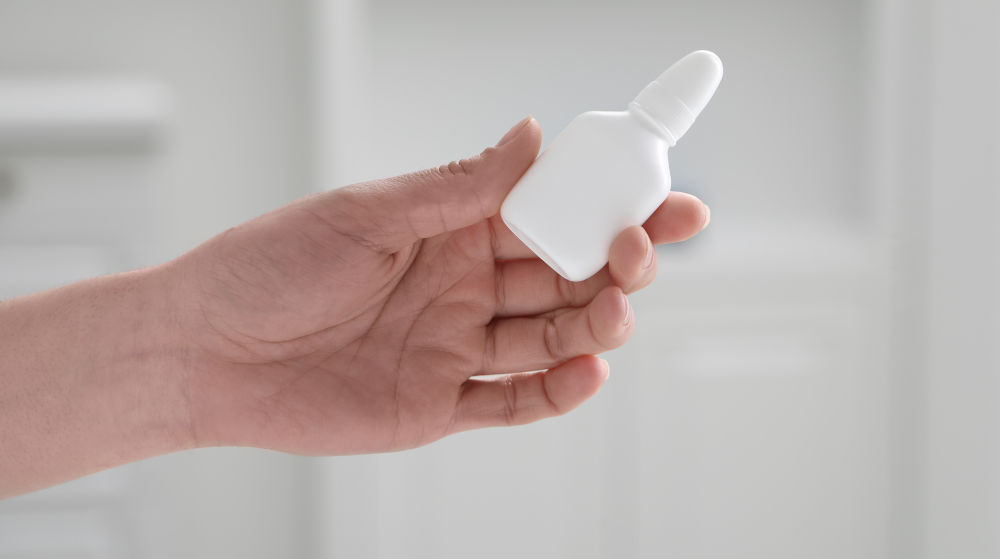
Saline spray is usually a light mist. It adds moisture. It softens crusting. It is common after rhinoplasty because it helps without creating much internal pressure.
A rinse or irrigation system is different. It pushes a larger amount of liquid through the nose. That may be useful in other nasal situations, but after rhinoplasty it is not automatically appropriate, especially early on.
The difference is not branding. It is force.
If a patient says, “I was just rinsing it out,” what matters is how much pressure was involved. After surgery, “just rinsing” can still be too much. Never blast liquid into the nose. If your surgeon recommends irrigation, follow that specific advice. If not, do not assume more fluid means better cleaning.
When Can You Blow Your Nose?
This is one of the most searched questions for a reason.
Patients hate not being able to blow their nose.
The difficulty is that blowing creates pressure exactly where healing is happening. That can irritate the lining, provoke bleeding, and make swelling worse. Many post-op instructions advise avoiding it for at least the first week. Some surgeons keep that restriction longer depending on what was done inside the nose.
So what can you do instead? Usually some combination of patience, saline spray if approved, and humidified air if dryness is making the blockage feel worse. Gentle sniffing may be allowed in some cases, but not always.
The exact answer here should come from your surgeon because the timeline can shift depending on the procedure. A simple cosmetic rhinoplasty is not always managed exactly the same way as a more involved septorhinoplasty with internal work.
Face Washing, Showering, and Skincare
Patients ask about this because once the nose feels dirty, the whole face starts to feel off too.
In the early phase, face washing usually means washing around the nose rather than scrubbing over it. If there is tape or a splint, work around it carefully. Lukewarm water is usually better tolerated than hot water. A very steamy shower may feel good in theory, but heat can sometimes increase swelling and make the nose feel more congested afterward.
Makeup is usually easier once splints or bandages are off and the skin has settled. Sunscreen matters too, especially once patients are outside more normally again. Healing skin does not love sun exposure.
The more practical point is this: treat the nose as a healing area, not just another part of the face. That mindset usually keeps people out of trouble.
A Simple Daily Hygiene Checklist
In the morning, if saline spray has been approved, use it gently. Wipe only what is visible at the nostril edge if needed.
During the day, do not keep checking and picking at the nose every time it feels dry or blocked. That habit is understandable, but it usually makes things worse.
In the evening, wash the face gently. Avoid pressure. Notice whether symptoms are gradually settling rather than obsessing over whether the nose feels perfect that day.
Stop and contact the clinic if bleeding increases, swelling spikes unexpectedly, pain is worsening, or the discharge starts to smell unusual.
Final Thoughts
Cleaning after rhinoplasty is one of those situations where doing less, but doing it properly, usually works best.
Patients often feel they should be actively clearing the nose to help recovery along. In reality, recovery tends to go more smoothly when the nose is kept comfortable, lightly moisturized if advised, and otherwise left to heal.
If you are unsure whether something is normal, or you are not clear on when to start saline spray, when to blow your nose, or how to deal with crusting safely, it is worth checking with your surgeon’s office. That is much better than improvising.
FAQ
Can I clean my nose during the first week after rhinoplasty?
Yes, but only gently and mostly on the outside. The first week is not the time for deep cleaning or trying to clear the inside of the nose.
What’s the safest way to remove crusting after rhinoplasty?
Usually by softening it rather than pulling at it. Saline spray, if approved by your surgeon, often helps. Crusting that is stuck should generally be left alone.
When can I use saline spray after rhinoplasty?
Many surgeons recommend it early, but protocols vary. Follow the timing your own surgeon gives you.
When can I blow my nose after rhinoplasty?
Often not during the first week, sometimes longer. The safest answer is to wait for direct clearance from your surgeon.
Can cleaning my nose cause bleeding after rhinoplasty?
Yes. Too much wiping, rubbing, picking, or inserting objects into the nostrils can trigger bleeding.
Is it safe to use Q-tips or cotton swabs after rhinoplasty?
Not routinely. If your surgeon permits them, they are usually meant only for the visible outer rim, not for deep insertion.
How do I wash my face if I have a splint or tape on my nose?
Wash around it carefully. Keep pressure off the nose and do not try to lift the tape or clean underneath unless you were told to.
What’s normal congestion after rhinoplasty, and when should I worry?
Blocked breathing from swelling is very common early on. Worry more if there is a sudden severe one-sided obstruction, worsening pain, or symptoms that are clearly escalating rather than improving.
Can I use skincare products like retinol or acids during recovery?
Usually not right away around the healing area. It is better to return to stronger active products gradually once the skin has settled.
When should I call my surgeon about discharge, smell, or pain?
If drainage smells bad, bleeding is not easing off, pain is getting worse, or anything changes suddenly after trauma, contact the clinic.