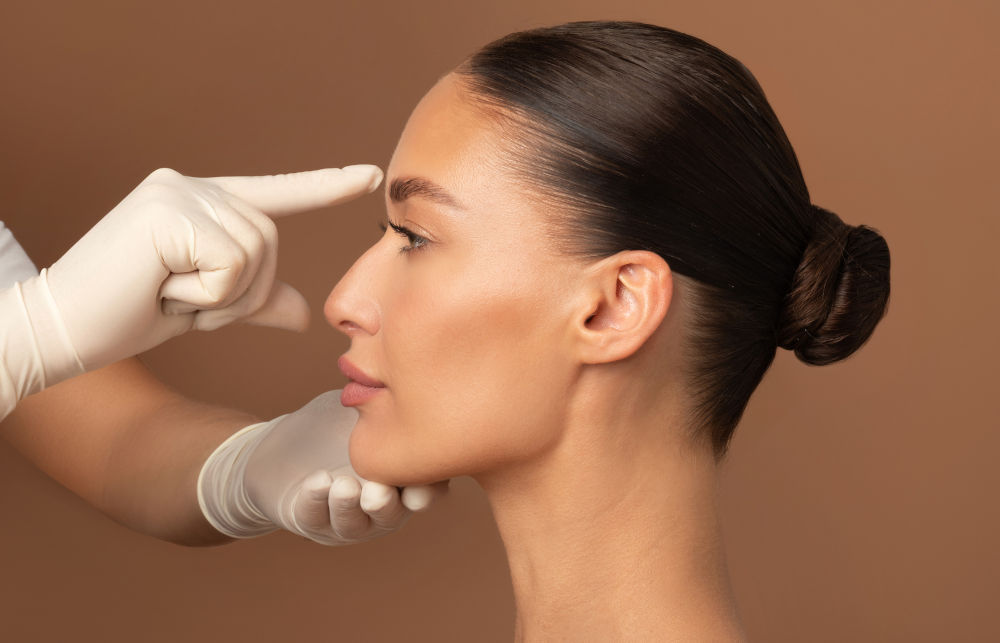
Most people do not ask about long-term rhinoplasty results because they want a technical answer. They ask because they are trying to imagine themselves years from now. Will the nose still look natural? Will the tip drop? Will breathing stay comfortable? Will a result that looks refined now still suit the face as the cheeks, lips, chin, and jawline change?
Rhinoplasty is a long-lasting operation because it changes the structure of the nose. Bone and cartilage can be reshaped, repositioned, supported, or refined. Those changes are intended to stay. What surgery cannot do is stop the normal ageing of skin, cartilage, soft tissue, and the rest of the face.
A good rhinoplasty is planned with that in mind. The goal is not simply to make the nose smaller in the first year after surgery. The goal is to create a nose with enough support, proportion, and function to remain natural-looking as the face matures. This is why modern rhinoplasty places so much emphasis on structure, breathing, and long-term balance.
For patients considering rhinoplasty or revision rhinoplasty in Toronto, Dr. Rival assesses not only what can be improved now, but also how the nose is likely to heal, settle, and continue changing over time.
Table of Contents
- What Patients Usually Want to Know
- Is Rhinoplasty Permanent?
- Why the Final Result Takes Time
- How the Nose Naturally Changes Over Time
- What Can Change Years After Rhinoplasty?
- What Helps Rhinoplasty Results Stay Stable?
- Why Some Older Rhinoplasty Results Changed Poorly
- Why Modern Rhinoplasty Focuses More on Support
- Why Surgical Planning Matters for Long-Term Results
- Recovery and Long-Term Healing
- Can Rhinoplasty Results Become Less Stable Over Time?
- When Revision Rhinoplasty May Be Considered
- How to Protect Your Rhinoplasty Result Over the Years
- Questions to Ask Before Rhinoplasty
- FAQ
Key Takeaways
- Rhinoplasty results are long-lasting because surgery changes the structure of the nose, including bone, cartilage, support, and sometimes the septum.
- Rhinoplasty does not stop natural ageing. The nose, skin, cartilage, and surrounding facial features can still change gradually over time.
- A strong long-term result depends on support, proportion, breathing function, skin quality, healing behaviour, and the surgical technique used.
- The final rhinoplasty result does not appear immediately. Swelling can take 12 months or longer to fully settle, especially in the nasal tip, thick skin, revision cases, or more complex surgery.
- A well-supported nose is more likely to age naturally than a nose that has been over-reduced or made too small for the patient’s face.
- Some older rhinoplasty results changed poorly because too much cartilage or bone was removed, which could lead to pinching, collapse, drooping, or breathing problems years later.
- Modern rhinoplasty focuses more on preserving and reinforcing structure, not just reducing size.
- Small changes years after rhinoplasty can be normal, but increasing obstruction, visible collapse, worsening asymmetry, or tip drooping should be assessed.
- Revision rhinoplasty may be considered when an older result affects breathing, stability, appearance, or facial balance.
- Patients can help protect their rhinoplasty result by following aftercare instructions, avoiding trauma, protecting skin from sun damage, avoiding smoking, and attending follow-up appointments.
What Patients Usually Want to Know
Rhinoplasty results are long-lasting, but the nose and face still change naturally. The operation creates a new structure; healing, skin quality, cartilage strength, scar tissue, and ageing influence how that structure looks over the years.
A result usually holds up better when the nose has been supported rather than over-reduced. Older, more reductive approaches sometimes removed too much cartilage or bone in pursuit of a smaller nose. In some patients, that could lead to pinching, collapse, tip drooping, or breathing problems years later.
Modern rhinoplasty techniques tend to be more protective. The surgeon may reshape, preserve, reposition, or reinforce the nose instead of simply taking tissue away. This does not mean every patient needs a large structural operation. It means the nose should be treated as a living framework, not just a shape on the surface.
Is Rhinoplasty Permanent?
Rhinoplasty is considered permanent in the sense that the nasal framework is surgically changed. A hump that has been reduced, a tip that has been supported, or a septum that has been corrected is not expected to return to its original form after a few years.
Still, “permanent” can be an unhelpful word if it suggests the nose will never change again. The nose continues to heal after surgery. Swelling settles. Scar tissue matures. Skin adapts to the new framework. Later, natural ageing continues.
This is why the better question is not only “does rhinoplasty last forever?” but “was the nose built in a way that can stay stable, breathable, and natural-looking over time?”
The answer depends on anatomy, skin thickness, cartilage strength, surgical technique, trauma after surgery, healing behaviour, and whether enough support was preserved or rebuilt during the operation.
Why the Final Result Takes Time
The structural work is done during surgery, but the visible result arrives gradually. Early swelling can make the nose look fuller, wider, firmer, or less refined than expected. The bridge usually settles sooner. The tip often takes longer because the skin and soft tissue in that area hold swelling more stubbornly.
Many patients look presentable within a few weeks, but final refinement often takes 12 months or longer. Thick skin, revision rhinoplasty, and detailed tip work can extend that timeline. This slow settling is part of normal healing; it is not the same as the nose “changing back.”
How the Nose Naturally Changes Over Time
The nose changes with age even in people who never have rhinoplasty. Skin slowly loses elasticity. Soft tissue becomes less firm. Cartilage support can weaken. The nasal tip may look heavier or lower. The nose may appear wider or less defined than it did years earlier.
These changes are usually gradual. Most people notice them only when comparing photographs taken many years apart. A nose that already had weak support may become more droopy with age. A nose that was made too small may look less harmonious as the face matures around it.
The surrounding face matters just as much. Cheek volume, lip support, chin projection, jawline definition, and skin texture all influence how the nose appears. If the cheeks lose volume or the jawline softens, the same nose can look more prominent, even if the nasal structure itself has changed very little.
A rhinoplasty result that fits the whole face is usually better prepared for these natural shifts than a result designed only to look dramatic in a side-profile photograph.
What Can Change Years After Rhinoplasty?
Rhinoplasty does not expire. There is no set year when the result stops working. What happens is more subtle: the tissues continue behaving like living tissue.
Skin may continue to settle. Scar tissue can soften or tighten. Cartilage can weaken with age. A new injury can affect alignment or support. Breathing can change if the nasal valves, septum, or internal support become less stable. Allergies or inflammation can also affect breathing later, even when the rhinoplasty structure remains sound.
Some changes are part of normal healing and are actually welcome. A nose may look more refined at 18 months than it did at six months. The tip may become clearer. The bridge may look smoother. Small asymmetries may soften as swelling resolves.
Other changes need assessment. A patient who had older reductive surgery may notice pinching, collapse, tip drooping, or nasal obstruction years later. This is more likely when too much support was removed, when the cartilage was naturally weak, or when trauma affected the nose after surgery.
A successful rhinoplasty does not need to look identical every year for life. The better measure is whether the nose remains stable, natural-looking, comfortable to breathe through, and proportionate to the face.
What Helps Rhinoplasty Results Stay Stable?
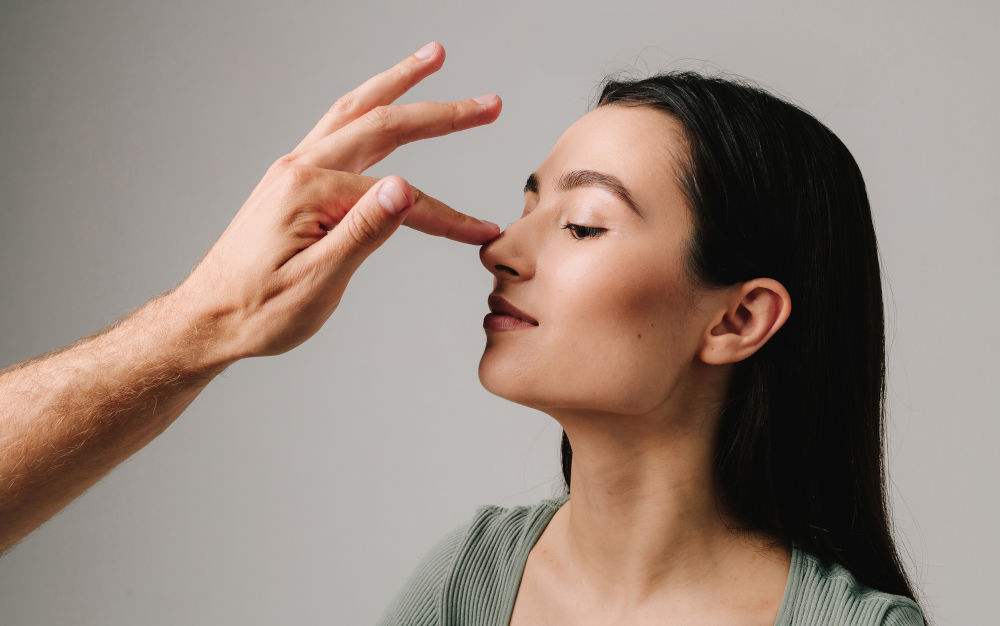
Long-term stability comes from the framework underneath the skin. The outside shape is what patients see, but the hidden structure is what allows the result to hold.
The septum, tip cartilages, bridge support, and nasal valves all matter. If these structures are weakened too much, the nose may look fine early on but become less stable later. This is why modern rhinoplasty often involves preserving, reshaping, or reinforcing support rather than simply removing tissue.
Skin thickness also changes the result. Thick skin can soften definition, especially around the tip. Thin skin may show refinement clearly, but it can also reveal tiny irregularities. Ageing skin may redrape more slowly. A good surgical plan respects the patient’s actual skin instead of trying to force the same nose onto every face.
Proportion is another important part of long-term planning. A nose that is too scooped, too rotated, or too small may look artificial as the face matures. A balanced result tends to age more quietly because it does not depend on a trend or one dramatic angle.
Strong Internal Structure
A nose needs support to maintain both shape and breathing. Septal support, tip support, and nasal valve stability are especially important. When those areas are protected, the nose is more likely to remain stable over time.
Natural Proportions
A natural result is not just a smaller result. It is a nose that fits the patient’s face from the front, side, and three-quarter view. Proportion matters more than fashion because the face will continue to change.
Skin and Healing Behaviour
Skin decides how much refinement is visible. Thick skin, thin skin, sun-damaged skin, and ageing skin all behave differently. The surgical plan should be adapted to those differences from the beginning.
Why Some Older Rhinoplasty Results Changed Poorly
Some older rhinoplasty techniques were more reductive. The goal was often to remove cartilage or bone to make the nose smaller, narrower, or more scooped. In some patients, those results remained stable and attractive. In others, the loss of support became more visible over time.
When too much structure is removed, the tip can droop. The sidewalls can narrow. The nose can look pinched. Breathing can become harder. The result can also begin to look less natural as the rest of the face matures.
This does not mean all older rhinoplasty surgery was poor. Many patients remain happy with results from many years ago. It simply means that surgical thinking has evolved. Long-term support, breathing, and facial harmony are now central parts of planning.
Why Modern Rhinoplasty Focuses More on Support
Modern rhinoplasty is less about making the nose small at any cost. It is more about reshaping the nose while protecting the framework that allows it to hold its shape and function. The result should look refined without becoming weak.
Why Surgical Planning Matters for Long-Term Results
Long-term rhinoplasty results are shaped before the operation even begins. The surgeon needs to understand the patient’s skin, cartilage, septum, nasal valves, breathing, facial proportions, and goals.
A technically neat-looking nose is not enough if the structure is unstable. A smaller tip is not a success if it loses support. A narrower bridge is not helpful if airflow becomes worse. Cosmetic improvement and function should be planned together.
The nose should also suit the whole face. A result that looks balanced today is more likely to remain natural as the cheeks, lips, chin, and jawline change. Overly small, overly lifted, or overly scooped noses can become more obvious with age because they do not blend as well with maturing features.
Dr. Rival’s planning considers the nose as part of the face rather than as an isolated feature. This is especially important for patients who care about how rhinoplasty results change over time.
Recovery and Long-Term Healing
First 1–2 Weeks
The first stage is not the final result. Swelling, bruising, congestion, puffiness, splints, and bandages are expected. The nose may look larger or less refined than the patient imagined. This is a healing stage, not a preview of the finished nose.
First 2–3 Months
Most social swelling improves during the first few months. The nose may still feel firm, uneven, or congested. Breathing can fluctuate. The bridge may look more settled while the tip still feels rounder or heavier.
6–12 Months
The upper nose often looks more refined by this point. The tip continues to settle more slowly. Patients with thicker skin or detailed tip work usually need more patience because the lower nose can hold swelling for longer.
1–2 Years
Complex cases may take longer to fully settle. Revision rhinoplasty, thick skin, and structural reconstruction can all extend the timeline. Once the nose reaches its stable baseline, natural ageing continues from there.
Can Rhinoplasty Results Become Less Stable Over Time?
Most well-planned rhinoplasty results remain stable for many years. Instability is more likely when the original surgery removed too much support, the cartilage was weak, the nose was injured after surgery, scar tissue behaved unpredictably, or the patient had a complex revision history.
Patients should seek assessment if they notice increasing nasal obstruction, visible pinching, collapse, worsening asymmetry, tip drooping, or a result that no longer feels balanced. New breathing problems years after surgery should also be checked because the cause may be structural, inflammatory, or unrelated to the original operation.
Not every concern means revision surgery is needed. Sometimes medical treatment, reassurance, or monitoring is appropriate. When the structure has changed in a meaningful way, revision rhinoplasty may be discussed.
When Revision Rhinoplasty May Be Considered
Revision rhinoplasty is surgery performed after a previous rhinoplasty. It may be considered when a patient wants to improve appearance, breathing, support, or overall balance.
Some patients had older reductive techniques and later developed pinching or collapse. Some have nasal obstruction. Some notice asymmetry, scar-related changes, or tip drooping. Others feel that their previous result no longer suits their face.
Revision surgery is more complex than primary rhinoplasty because the anatomy has already been changed. There may be scar tissue, reduced cartilage, weakened support, or a need for grafting. The goal is realistic improvement, not perfection.
Patients researching revision rhinoplasty in Toronto can meet with Dr. Rival for an assessment of the existing structure, airway, skin quality, previous surgical changes, and realistic options.
How to Protect Your Rhinoplasty Result Over the Years
Patients cannot stop ageing, but they can support healthy healing and skin quality. Follow post-operative instructions. Attend follow-up appointments. Avoid trauma during healing. Do not rush strenuous exercise. Protect the skin from sun damage. Avoid smoking. Contact the clinic if breathing or shape changes feel concerning.
Good surgery creates the structure. Good healing helps that structure settle properly. Long-term care matters because the nose is living tissue, not a fixed object.
Questions to Ask Before Rhinoplasty
Patients who care about long-term results should ask practical questions during consultation:
- How will the nose be supported long-term?
- Will my skin thickness affect definition?
- Are my goals too reductive for my anatomy?
- How will breathing be protected?
- What changes are realistic for my face?
- How long will swelling likely take in my case?
- What makes this result more likely to stay natural over time?
These questions move the consultation beyond a simple before-and-after conversation. They focus on structure, function, healing, and long-term facial balance.
Final Thoughts
Rhinoplasty is designed to create long-lasting structural change, but the nose and face continue to mature naturally. The best results are not only about making the nose smaller or more refined today. They come from a supported, balanced plan that respects anatomy, skin quality, breathing, and long-term facial harmony.
Patients considering rhinoplasty or revision rhinoplasty in Toronto can schedule a consultation with Dr. Rival to discuss what kind of result is realistic now and how it may change over time.
FAQ
Is rhinoplasty permanent?
Rhinoplasty is permanent in the sense that it changes the structure of the nose. Bone and cartilage altered during surgery are not expected to return to their original form after a few years. However, the nose is still made of living tissue, so it continues to age naturally with the rest of the face. A more realistic way to describe rhinoplasty is long-lasting and stable rather than frozen forever.
How long do rhinoplasty results last?
Most rhinoplasty results last for many years, and many patients remain satisfied long term. The stability of the result depends on the quality of the surgical plan, the amount of support preserved or rebuilt, the patient’s skin thickness, cartilage strength, healing behaviour, and whether the nose is injured after surgery. A nose that has been properly supported usually has a better chance of staying natural-looking over time.
Does your nose keep changing after rhinoplasty?
Yes, the nose can continue to change subtly after rhinoplasty. The biggest visible changes usually happen during the first year as swelling resolves and the skin settles. After that, changes tend to be slower and are usually related to ageing, skin behaviour, cartilage support, and the way the face changes around the nose. Small changes over time are normal and do not automatically mean something is wrong.
Can rhinoplasty results change years later?
Rhinoplasty results can change years later, although many changes are minor. Ageing, scar tissue, trauma, weak support, cartilage behaviour, or older reductive techniques can all influence the nose over time. A patient should seek evaluation if they notice visible collapse, increasing obstruction, worsening asymmetry, tip drooping, or a result that no longer feels stable.
Can rhinoplasty make you look younger?
Rhinoplasty is not mainly an anti-ageing procedure. It does not lift the face or stop facial ageing. However, refining a heavy, drooping, or disproportionate nose can sometimes make the face look more balanced and refreshed. The best goal is not to chase youth through the nose alone, but to create a result that fits the patient’s features naturally.
Why do some old rhinoplasty results look pinched or collapsed?
Some older rhinoplasty results look pinched or collapsed because too much cartilage or support may have been removed. A nose can look smaller early on but become weaker over time if the framework is not strong enough. As skin and soft tissue change with age, that weakness can become more visible. Modern rhinoplasty usually places more emphasis on support, nasal valves, and breathing function to reduce this risk.
What makes modern rhinoplasty more stable over time?
Modern rhinoplasty often focuses on reshaping and supporting the nose rather than simply reducing it. The surgeon may preserve cartilage, support the nasal tip, strengthen weak areas, and protect the nasal valves when needed. This approach helps the nose hold its shape, maintain airflow, and remain natural-looking as the face changes.
Can your nose droop again after rhinoplasty?
The nasal tip can change over time if support is weak, cartilage ages, or the original surgery did not provide enough stability. Proper tip support lowers this risk, although natural ageing can still create subtle changes. This is why long-term planning matters, especially for patients who already have a drooping or under-supported tip before surgery.
When is revision rhinoplasty needed years later?
Revision rhinoplasty may be considered when an older result causes breathing problems, visible collapse, worsening asymmetry, tip drooping, or dissatisfaction with appearance. It may also be considered when the nose no longer feels balanced with the face. Revision surgery is more complex than primary rhinoplasty, so the consultation should include realistic discussion of structure, skin, scar tissue, and goals.
How can I help my rhinoplasty results last longer?
Patients can support their results by following aftercare instructions, attending follow-up appointments, avoiding trauma, protecting the skin from sun damage, avoiding smoking, and contacting the clinic if breathing or shape changes become concerning. These steps cannot stop ageing, but they support healthier healing, better skin quality, and a more stable long-term result.