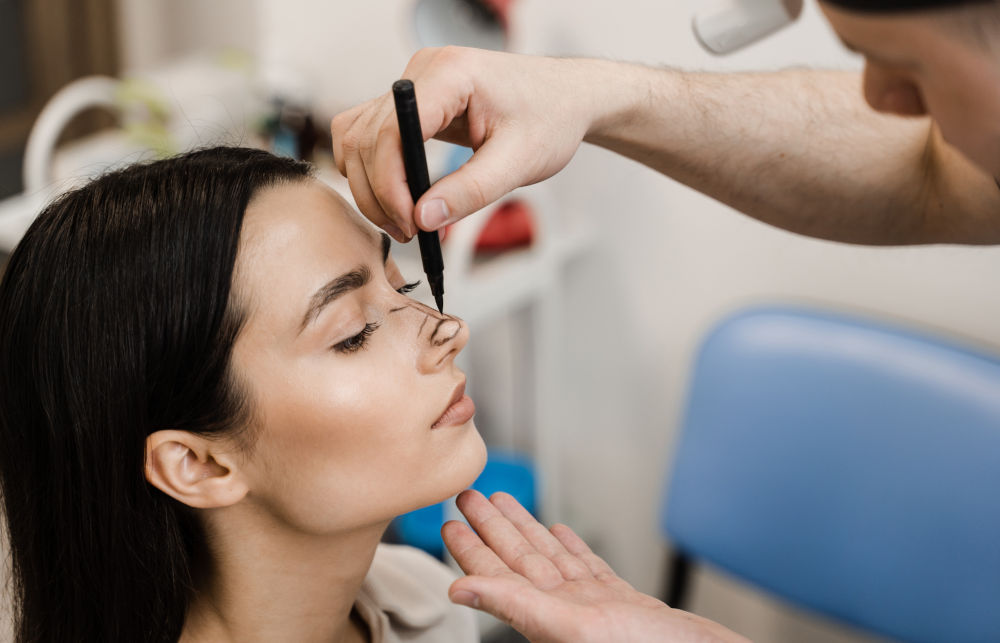
Photographs and prices are often the easiest parts of rhinoplasty research to compare. Choosing a surgeon also means understanding their approach to your goals, surgical planning, and care afterwards.
Choosing a rhinoplasty surgeon in Toronto means looking at relevant training, experience with cases like yours, attention to breathing, and the quality of the consultation. Here is what to check before committing.
Key Takeaways
- Verify Ontario registration and ask about specific rhinoplasty training and experience.
- Compare photographs of patients with similar anatomy, using several views.
- Expect an assessment of nasal function alongside cosmetic goals.
- Digital imaging supports discussion; it cannot promise an exact result.
- Understand the full quote, surgical setting, recovery requirements, and follow-up arrangements before booking.
Table of Contents
- What to Know Before Getting Rhinoplasty
- How to Choose a Surgeon
- Why Specific Experience Matters
- How to Review Before-and-After Photos
- Consultation and Digital Imaging
- Understanding Your Options
- Costs and OHIP
- The Surgical Facility
- Preparation, Recovery, and Follow-Up
- Questions Before Booking
- Dr. Rival’s Consultation Locations
- Frequently Asked Questions
What Should You Know Before Getting Rhinoplasty?
Rhinoplasty may address nasal appearance, breathing, or both. A hump, a crooked bridge, a rounded tip, and nasal obstruction require different assessments. Skin thickness, cartilage strength, previous injuries, and existing support influence what surgery can achieve.
Before comparing surgeons, write down what bothers you and what you hope to preserve. Mention breathing difficulties even if your main concern is cosmetic. For an overview of the procedure itself, see the main page on rhinoplasty in Toronto.
How to Choose a Rhinoplasty Surgeon in Toronto
Check Credentials and Training
Start with the College of Physicians and Surgeons of Ontario’s Physician Register. Search the doctor’s name or CPSO number and review their registration status, training, practice conditions, and any public notifications available.
Appropriately trained rhinoplasty surgeons can come from different surgical backgrounds, including plastic surgery and otolaryngology, head and neck surgery. Ask which specialty qualifications they hold and how their training prepared them for nasal surgery.
For example, Dr. Richard Rival is an otolaryngologist, head and neck surgeon practising facial plastic surgery, and a diplomate of the American Board of Facial Plastic and Reconstructive Surgery.
Ask About Relevant Experience
Ask how frequently the surgeon performs rhinoplasty and whether they regularly treat your particular concern. Experience with first-time surgery, revision cases, nasal obstruction, or previous trauma may be relevant. No single case count guarantees a result.
Pay Attention to Communication
A useful consultation should leave you understanding the proposed changes, limitations, risks, and recovery. A surgeon may advise against a requested change when it could compromise support, breathing, or facial balance.
Why Rhinoplasty Experience Matters
Small changes to the bridge or tip can alter how the whole face looks. The septum, nasal valves, and supporting cartilage also affect airflow, so cosmetic planning needs to account for function.
Skin thickness can limit visible definition, while weak cartilage may require support. Previous surgery introduces scar tissue and altered anatomy, making revision planning more complex.
What to Look for in Before-and-After Photos
Use rhinoplasty before and after photos to assess the surgeon’s approach across different patients.
- Find cases with similar starting anatomy and concerns.
- Compare front, side, and three-quarter views.
- Consider bridge shape, tip position, symmetry, and overall facial balance.
- Ask whether the operation was primary or revision surgery.
- Check how long after surgery the photographs were taken.
Consistent lighting and head position make comparisons easier. Early swelling can obscure definition, and photographs cannot establish how well someone breathes. Testimonials may describe a patient’s experience, but neither reviews nor images predict an identical outcome for you.
What Happens During a Rhinoplasty Consultation?
Expect a review of your health, medications, allergies, previous operations, injuries, and breathing symptoms. The examination should consider nasal shape, skin, internal structures, and support.
Bring a short list of priorities. Reference photographs can help explain a preference, but your own anatomy determines the available options. The surgeon should discuss realistic changes and relevant risks, such as bleeding, infection, persistent asymmetry, breathing problems, and possible further surgery.
How Digital Imaging Helps
Advanced digital imaging can make a conversation about proportions more specific. It allows you to discuss a possible bridge change or tip position and see how that relates to your other features.
An edited image is a planning aid, not a promise. Skin, anatomy, surgical limitations, and healing influence the final appearance. Imaging can be useful without being a requirement for every consultation.
Understanding Your Rhinoplasty Options
You do not need to choose a technique before meeting a surgeon.
| Term | What It Means for Your Discussion |
|---|---|
| Primary rhinoplasty | A first rhinoplasty, planned around your existing anatomy and goals. |
| Revision rhinoplasty | Surgery after a previous rhinoplasty, potentially involving scar tissue or reconstruction. |
| Functional rhinoplasty or septorhinoplasty | Treatment addressing structural breathing problems, sometimes alongside cosmetic changes. |
| Open or closed rhinoplasty | Different ways of accessing nasal structures through incisions. |
| Preservation rhinoplasty | Techniques that aim to retain selected existing structures while making changes. |
Open and closed describe access; preservation describes surgical principles. These terms are not all mutually exclusive. Ask how the proposed method addresses your anatomy rather than assuming the newest-sounding option is preferable.

How Much Does Rhinoplasty Cost in Toronto?
Compare written quotes covering the same scope of care. Fees can depend on surgical complexity, primary versus revision surgery, grafting, anaesthesia, and facility arrangements.
Ask whether the quote includes assessments, surgeon and anaesthesia fees, facility charges, routine follow-ups, and applicable taxes. Clarify possible additional expenses and the policy if further treatment is needed.
Dr. Rival’s rhinoplasty cost in Toronto page provides procedure-specific estimates; your consultation determines the proposed treatment and individual quote.
Does OHIP Cover Rhinoplasty?
Ontario’s OHIP guidance lists cosmetic surgery as an uninsured service. Some medically necessary nasal procedures may qualify under applicable requirements. Having a breathing complaint does not automatically make the whole operation covered. Ask the clinic to explain any eligible functional component and the separate cosmetic fees.
Where Will Your Rhinoplasty Be Performed?
Your consultation office and operating facility may be different locations. Before booking, ask where surgery will take place and what licensing, inspection, or accreditation applies to that setting.
Confirm who provides anaesthesia, how you will be monitored during recovery, and how the team handles an unexpected medical problem. You should also know who decides when you can go home and whom to contact after discharge.
How Should You Prepare for Surgery and Recovery?
Before Surgery
Provide a complete list of medicines and supplements, and disclose nicotine use and relevant health conditions. Follow individualized instructions about medication changes, smoking cessation, fasting, and any required tests. Do not stop prescribed treatment independently.
Arrange transport home and an adult to help during the initial recovery period. Consider childcare, meals, work demands, and how you will attend appointments.
Recovery and Follow-Up
Many patients plan one to two weeks away from work or social commitments, depending on their role and progress. An external splint is commonly used during the first week. Exercise and activities that could injure the nose may remain restricted longer.
Visible bruising can improve while the nose is still healing. Tip definition often develops more slowly, and final refinement can take a year or longer. Review the rhinoplasty recovery timeline and ask how it applies to your procedure.
Confirm the follow-up schedule and how urgent concerns are handled. If travelling from outside Toronto, discuss local accommodation, early visits, and when returning home is appropriate before making fixed travel plans.
What Questions Should You Ask Before Booking?
Compare consultations using the same questions.
| Question | What the Answer Should Clarify |
|---|---|
| How often do you treat cases like mine? | Relevant experience and examples. |
| Which changes are realistic, and what are the limits? | An achievable plan rather than a promise of perfection. |
| How will you assess and protect breathing? | Attention to function alongside appearance. |
| Why do you recommend this approach? | A reason connected to your anatomy. |
| Which risks matter most in my case? | A personal discussion of possible complications. |
| What does the quote include? | Total planned fees and potential additional costs. |
| Where will surgery and follow-ups take place? | Practical arrangements and continuity of care. |
| What happens if I have concerns afterwards? | Contact details, assessment, and follow-up policies. |
Rhinoplasty Consultations With Dr. Richard Rival
Dr. Rival’s practice includes cosmetic and revision rhinoplasty, with individual planning and an emphasis on natural-looking results. Consultation provides an opportunity to discuss appearance, breathing, and whether surgery is appropriate. Digital imaging is available to help explore possible changes.
Toronto Central Office
The Toronto Central office is at 950 Eglinton Ave W, Toronto, ON M6C 2C2, offering a consultation location within the city.
Newmarket Office
The Newmarket office is at 581 Davis Dr, Suite 101, Newmarket, ON L3Y 2P6. It may suit patients in northern GTA communities, including Aurora and Richmond Hill. Confirm appointment availability and the location of subsequent visits when booking.
Frequently Asked Questions
How do I choose a rhinoplasty surgeon in Toronto?
Check registration, relevant training, and experience with cases like yours. Assess communication, realistic planning, attention to breathing, and follow-up arrangements.
What qualifications should a rhinoplasty surgeon have?
Look for appropriate medical registration and surgical training relevant to nasal surgery. Use the CPSO register and ask about additional rhinoplasty experience.
How much does rhinoplasty cost in Toronto?
The procedure and complexity affect the fee. Request a personalized written quote and confirm what is included before comparing prices.
Is rhinoplasty covered by OHIP?
Cosmetic surgery is not covered. A medically necessary functional procedure may qualify, depending on clinical circumstances and applicable requirements.
What happens during a consultation?
The surgeon reviews your goals, health, nasal anatomy, and breathing, then discusses suitability, options, limitations, risks, recovery, and costs.
How can I assess whether results look natural?
Compare similar starting anatomies across several views. Look at facial balance and preserved individual features, not simply a smaller nose.
How long does recovery take?
Early recovery takes weeks, while subtle swelling and refinement continue for months. The final appearance may take a year or longer to settle.
Can rhinoplasty improve breathing and appearance?
It may address both when obstruction has a structural cause. An examination is needed to identify which treatment is appropriate.
Where does Dr. Rival offer consultations?
Consultation options include the Toronto Central office on Eglinton Avenue West and the Newmarket office on Davis Drive. Contact the clinic for availability.
Making an Informed Decision About Rhinoplasty
Before committing, make sure you understand the proposed changes, their limitations, and the care involved. You should have clear answers and time to consider them.
To discuss your goals and preparation needs, request a consultation with Dr. Richard Rival for an individualized assessment.