
Key Takeaways
- Rhinoplasty is not only about dramatically altering the nose — it can refine, balance, and harmonize your features subtly.
- Techniques exist to lengthen, shorten, reduce, enlarge, or reposition nasal structures.
- Functional benefits, such as improved breathing, are often achieved in conjunction with aesthetic results.
- Modern rhinoplasty is highly personalized, taking into account facial symmetry, ethnicity, and the patient’s goals.
- The “perfect nose” is subjective — what matters is achieving proportion, balance, and confidence.
#1 Lengthening the Nose
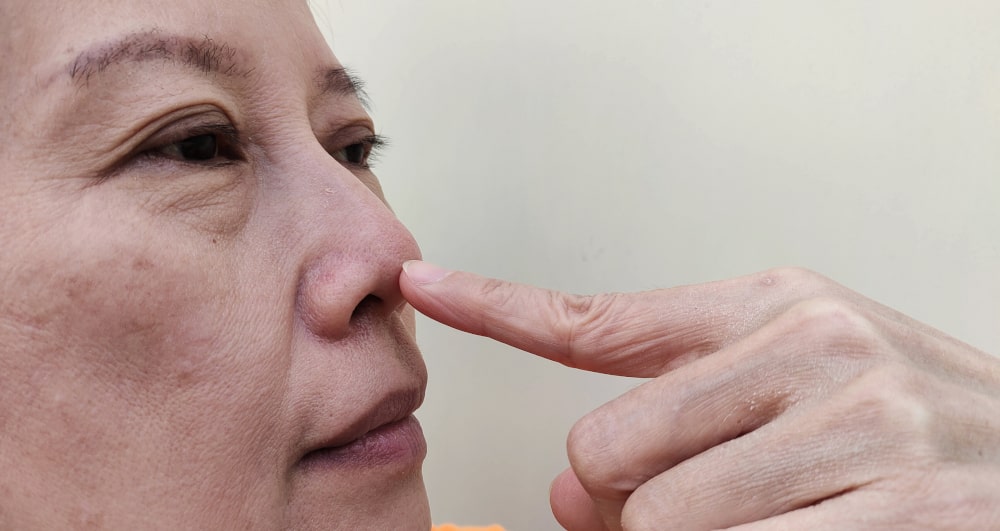
Short, upturned noses are often considered youthful and charming — a trait we see in many animated characters from Moana to Mrs. Incredible. However, in real life, a nose that appears too short or stunted can disrupt facial balance, making the mid-face look softer or less defined.
How Surgeons Lengthen a Nose
Rhinoplasty for lengthening focuses on projecting the nasal tip and improving facial harmony without overextending the nose. Common techniques include:
| Technique | Description | Outcome |
|---|---|---|
| Septal Extension Graft | A cartilage graft is placed on the anterior septal angle to extend the tip | Subtle increase in nose length, enhanced tip definition |
| Tip Projection Adjustment | Fine adjustments of the nasal tip position | Creates better facial balance and proportion |
Lengthening is particularly useful for patients whose noses are recessed at the tip, or for those who want a more defined side profile. In some cases, this procedure also improves airflow, primarily if tip collapse is affecting breathing.
“Rhinoplasty is about enhancing your natural features while addressing functional concerns. Every nose is unique, and our goal is results that feel natural, lasting, and harmonious with your face.” – Dr. Richard Rival.
#2 Shortening the Nose
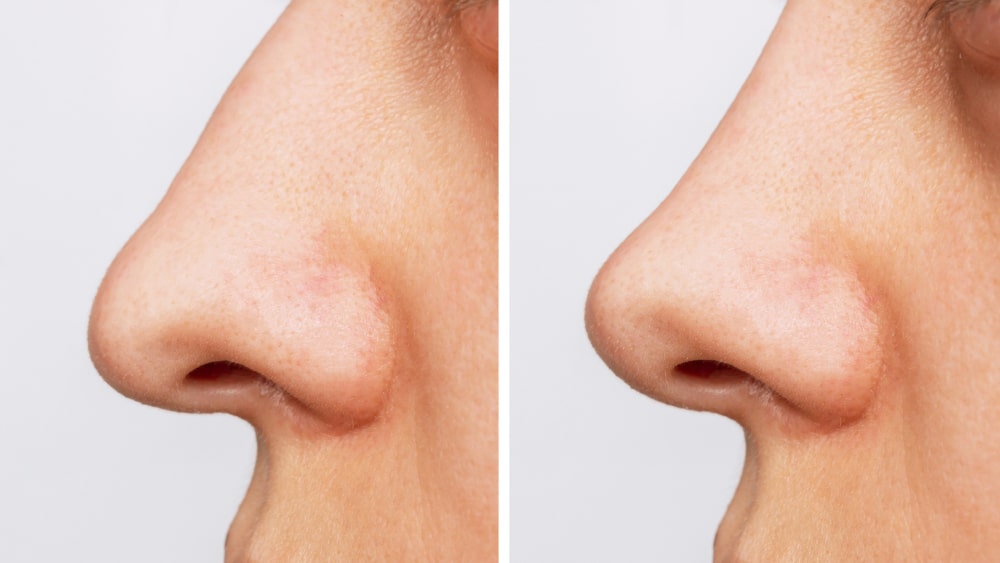
A nose that is too long can dominate facial features, drawing attention away from other areas of the face. Overly prominent noses can throw off symmetry and appear disproportionate.
Techniques for Shortening a Nose
| Technique | Description | Best For |
|---|---|---|
| Tip Refinement | Removes a small portion of cartilage from the nasal tip | Slight shortening, sharper tip, refined appearance |
| Septal Adjustment (Septoplasty) | Trims, repositions, or reshapes cartilage/bone | Effective for longer noses or functional adjustments |
Shortening rhinoplasty is also beneficial for patients whose noses naturally elongate with age. The procedure subtly lifts the tip, improving overall facial aesthetics while maintaining natural characteristics.
#3 Reducing Nose Size
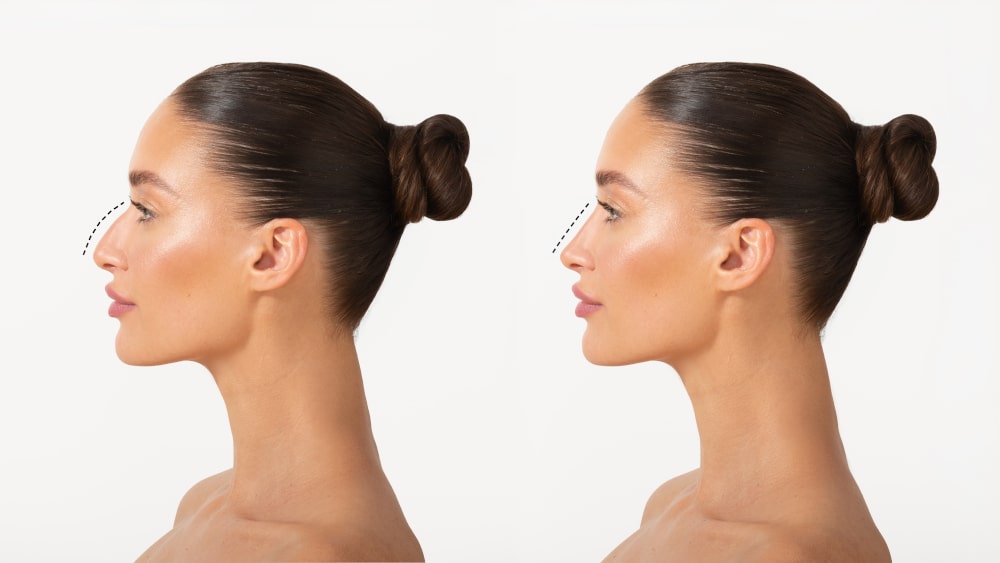
Some patients desire a smaller, more proportionate nose. This can involve refining the nasal bridge, tip, or nostrils to achieve a balanced appearance.
Techniques for Reduction
| Technique | Description | Effect |
|---|---|---|
| Nasal Bridge Reduction | Break and remove excess cartilage | Shortens and narrows the nose |
| Tip Rotation | Rotates the tip upwards | Makes the nose appear smaller and less dominant |
| Alarplasty | Removes portions of the nostril wings | Reduces nostril width and overall nose size |
Nose reduction can also resolve functional issues, such as narrowing nostrils that contribute to restricted airflow. Combining aesthetic and functional improvements is common in modern rhinoplasty.
#4 Enlarging Nose Size

While less frequently requested, some patients require a fuller or more prominent nose to achieve facial balance. This is common when the nose is small relative to other facial features or in cases of congenital underdevelopment.
Techniques for Enlargement
| Technique | Description | Benefits |
|---|---|---|
| Dorsal Augmentation | Cartilage or implants increase the height of the nasal bridge | Creates a fuller, stronger profile |
| Tip Grafting | Adds cartilage to the tip for projection | Balances nose with other facial features, improves side profile |
Enlargement rhinoplasty can also have medical benefits. For instance, increasing nostril support can alleviate breathing difficulties caused by underdeveloped nasal structures.
#5 Repositioning Nasal Structures

Not all rhinoplasty is about size. Some noses require adjustment because their natural structure interferes with symmetry, facial balance, or breathing.
Techniques for Repositioning
| Procedure | Purpose | Benefit |
|---|---|---|
| Septoplasty | Straightens a deviated septum | Reduces nosebleeds, improves airflow |
| Turbinectomy | Shrinks the nasal turbinates | Enhances breathing efficiency |
| Tissue Realignment | Repositions soft tissue or cartilage | Corrects minor asymmetries without changing overall size |
Structural repositioning is significant for patients with trauma, congenital asymmetries, or nasal obstruction. These procedures often improve comfort and functionality while maintaining natural aesthetics.
Understanding Rhinoplasty Outcomes
Rhinoplasty is highly personalized. There is no single “perfect nose” — only the nose that harmonizes with your facial structure and meets your aesthetic and functional goals.
Modern techniques focus on minimally invasive procedures, shorter recovery times, and long-lasting results. A skilled surgeon can subtly refine your nose, whether your goal is cosmetic enhancement, functional correction, or a combination of both.
Takeaways for Patients
- Rhinoplasty can refine length, size, or structure without drastic changes.
- Every procedure is carefully tailored to your unique facial features, ethnicity, and individual functional needs.
- Subtle adjustments can improve breathing, symmetry, and overall harmony.
- Discuss realistic goals and expectations with your surgeon to ensure satisfaction.
- Experienced surgeons Dr. Richard Rival provide results that are natural, balanced, and long-lasting.