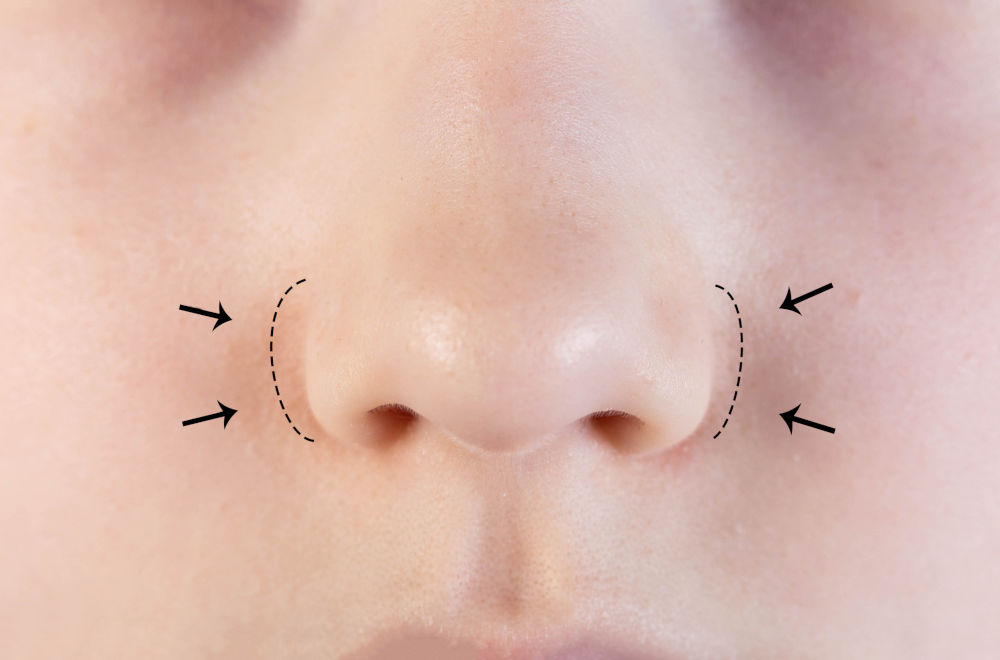
Wide nose rhinoplasty can narrow the bony bridge, reshape the cartilage at the tip or reduce the width of the nostril base. Each area calls for a different surgical approach. At consultations in Toronto and Newmarket, Dr. Richard Rival assesses where the width comes from and discusses which changes fit your goals.
Key Takeaways
- A nose can look wide at the bony bridge, around the tip or across the nostril base. The area that contributes to the width determines which surgical technique may help.
- Moving the nasal bones inward can narrow the upper bridge. Reshaping the tip or reducing nostril flare requires a separate surgical step.
- Narrowing the nostril base can leave a visible scar, often in the crease where the nostril meets the cheek. The scar may soften and fade as it heals.
- Filler can change how the nose looks by adding volume. It cannot physically narrow the bridge, tip or nostril base.
- Early swelling can make the nose look wider from the front. The final width becomes clearer over several months as the nose heals.
Which part of your nose is actually wide?
Look at your nose from the front with your face relaxed. Is the width you notice closest to your eyes, around the rounded tip, or across the outer edges of the nostrils? A straight-on photo can help you show your surgeon where you see the width. The examination helps identify how much of it comes from bone, cartilage or the surrounding soft tissue.
| Area | What you may notice from the front | What surgery can change | Where a scar may sit |
|---|---|---|---|
| Bony bridge | The upper part of the nose looks broad between the eyes. | The surgeon can reposition the nasal bones to narrow the upper bridge. | Incisions can be inside the nose. Some techniques use a small puncture through the skin. |
| Cartilaginous middle third or tip | The width appears below the bony bridge or around the rounded tip above the nostrils. | The surgeon may reshape or reposition cartilage, depending on where it contributes to the width. | Incisions may be internal. An open approach adds a small incision on the strip of skin between the nostrils. |
| Nostril base | The nose looks broad where the nostrils meet the cheeks. | Surgery can reduce outward flare, narrow the nostril floor or address both. | An incision can follow the crease beside the nostril, sit along the nostril floor or extend into both areas. |
Your surgeon assesses bridge height and width together. A bridge that looks broad from the front can also look low in profile, and both views help guide the plan.
Narrowing a wide bony bridge
When the width comes from the upper third of the nose, the surgeon may recommend osteotomies. These are controlled cuts in the nasal bones that let the surgeon move them closer to the centre. The amount of movement depends on the starting width, the shape of the bones and the support needed to maintain the airway. An external splint can protect the bridge during early healing.
How the surgeon performs the osteotomies depends on the planned movement of the bones. Surgeons can use a manual instrument called an osteotome or an ultrasonic instrument. Research suggests ultrasonic instruments may reduce early bruising and swelling in some patients.
Narrowing a wide nasal base
Alar base reduction, also called alarplasty, can address outward nostril flare, width across the nostril floor or both. The surgeon chooses the incision based on where the width comes from. It may follow the crease beside the nostril, sit along the nostril floor or extend into both areas. The procedure changes the base of the nose and leaves the bony bridge unchanged.
An incision in the crease beside the nostril leaves an external scar. The line can be more noticeable early on and may soften and fade over several months. Some scars remain visible after healing. At your consultation, Dr. Rival can show you where the incision would sit and explain how much narrowing he considers appropriate for your nostril shape and airflow.
When the tip is the wide part
If the bridge and nostril base already look proportionate to you, the width you notice may come from the tip. The appearance of a bulbous nasal tip can reflect the shape of the cartilage, the thickness of the skin or both. Depending on your anatomy, the surgeon may be able to reshape the tip without changing the bridge or nostril base.
What narrowing cannot change
The final width depends on which areas the surgeon treats. Moving the nasal bones inward changes the upper bridge. The base can still look broad from the front if its width was outside the surgical plan. Likewise, reducing nostril flare changes the base and leaves the upper bridge unchanged.
The effect of thick skin on rhinoplasty results is especially noticeable at the tip. Thicker skin can soften the outline of the reshaped cartilage, so the tip may still look rounded after healing. At the bridge, the starting bone width and the need to preserve support and airflow limit how far the bones can move.
Swelling can make the nose look wider at three weeks than at three months. If you still notice width at follow-up, your surgeon can assess whether it comes from remaining swelling, the underlying anatomy or an area outside the original surgical plan.
Wide nose rhinoplasty and ethnic features
In ethnic rhinoplasty, the plan starts with the features you want to keep and the changes you want to make. You might want less nostril flare and feel comfortable with your bridge height and tip shape. Another person with similar anatomy may have different goals.
If you identify as Filipino and want to preserve features you associate with your heritage or family, bring that into the consultation. It helps to describe the specific change you have in mind and the features you want to keep. Dr. Rival can use those preferences to discuss which areas a surgical plan would address.
Filler, nostril narrowing or full rhinoplasty?
Filler for a wide nose changes how the contour looks by adding volume. It cannot physically narrow the bridge, tip or nostril base. Nasal filler also carries rare but serious risks, including skin injury and vision loss.
| Option | What it changes | How long the change lasts | Downtime | Incision or scar |
|---|---|---|---|---|
| Filler | Changes the apparent contour without narrowing the underlying structures. | Hyaluronic acid filler is temporary. Its duration varies. | Temporary swelling or bruising can follow injection. | Injection sites only. |
| Nostril narrowing alone | Reduces width or flare at the base. | The change is intended to last. The outline and scar can evolve as the area heals. | Local swelling and incision care during early recovery. | A scar may sit in the nostril crease, along the nostril floor or in both locations. |
| Full rhinoplasty | Can narrow the bony bridge, reshape cartilage or include work at the nostril base. | The structural change is intended to last. The appearance evolves as swelling settles. | Bruising and swelling can affect when you return to work. A splint may be needed. | Depends on the surgical approach. Base narrowing adds its own incision. |
The cost of rhinoplasty in Toronto depends in part on the scope of surgery. Narrowing the nostril base alone and repositioning the nasal bones involve different procedures. The clinic can provide an individual quote after assessing which areas you want to address.
Recovery and when the final width shows
After bridge narrowing, the nasal bones heal in their new position as the tissue over them gradually settles. If the procedure also includes nostril narrowing, the incisions at the base have their own healing timeline. You can still have visible swelling when the splint comes off.
| Period | What you may notice |
|---|---|
| First week | Bruising and swelling can make the bridge look broad. If the surgeon repositioned the bones, an external splint may protect the bridge during early healing. |
| Around week 2 | Visible bruising often improves. Depending on your recovery and the demands of your job, you may feel ready to return to work. |
| Weeks 3–6 | The front view can still look broad as swelling settles. Follow your surgeon’s instructions on activities that could expose the nose to a hit. |
| Months 2–3 | The bridge often becomes easier to assess as swelling recedes. The tip and any incisions at the nostril base can continue to change. |
| Around month 12 | The nose is generally closer to its long-term shape. Some swelling, especially at the tip, can take longer to resolve. |
Dr. Rival’s general rhinoplasty instructions advise avoiding activities that could injure the nose for six weeks. The timing for your return to a specific sport depends on the procedure and how your nose is healing.
Wide nose rhinoplasty before and after
In Dr. Rival’s before and after photos, the straight-on view makes it easier to compare width at the bridge, tip and nostril base. A change between the eyes shows up in a different area from reduced nostril flare. The follow-up interval also matters. An early photo can still show swelling that obscures the bridge or tip.
Your consultation in Toronto
During an in-person consultation, Dr. Rival examines the bridge, the tip and the nostril base. He asks about previous injuries, nasal surgery and any breathing concerns. Digital imaging can help you discuss possible changes from the front and in profile. Request a consultation with Dr. Rival.
Frequently asked questions
Can rhinoplasty fix a wide nose?
Yes. Rhinoplasty can narrow the bony bridge, reshape the cartilage in the middle of the nose or at the tip, or reduce the width of the nostril base. Each area requires a different surgical step. An examination helps determine where the width comes from and how much change is realistic for your anatomy.
How do you slim a wide nose?
The surgical approach depends on where the width comes from. A surgeon may reposition the nasal bones, reshape cartilage or narrow the nostril base. Some patients choose a change in one area. Others discuss changes at more than one level, especially when both the bridge and the nostril base contribute to the appearance.
What is the hardest nose to fix?
The difficulty depends on the anatomy and the change you want. Thick skin over a broad nostril base can make fine changes in definition harder to see. The surgeon also needs to assess how much the base can narrow and still preserve nostril shape, support and airflow.
Does narrowing a wide nose leave a scar?
It can leave a visible scar, depending on which area needs treatment and where the surgeon places the incisions. An incision beside the nostril can leave a line in the crease where the nostril meets the cheek. An open rhinoplasty adds a small incision on the strip of skin between the nostrils.
Why does my nose still look wide after rhinoplasty?
Swelling can make your nose look wider from the front during early recovery. Width can also remain in an area outside the surgical plan, such as the nostril base after bridge narrowing. At follow-up, your surgeon can assess how much of the width comes from swelling or from your underlying anatomy.
About Dr. Richard Rival
Dr. Richard Rival, MD, FRCSC, is a Fellow of the Royal College of Physicians and Surgeons of Canada in Otolaryngology–Head and Neck Surgery. He is also a diplomate of the American Board of Facial Plastic and Reconstructive Surgery.
This article provides general information. An in-person consultation is needed to assess your anatomy and discuss your options.
