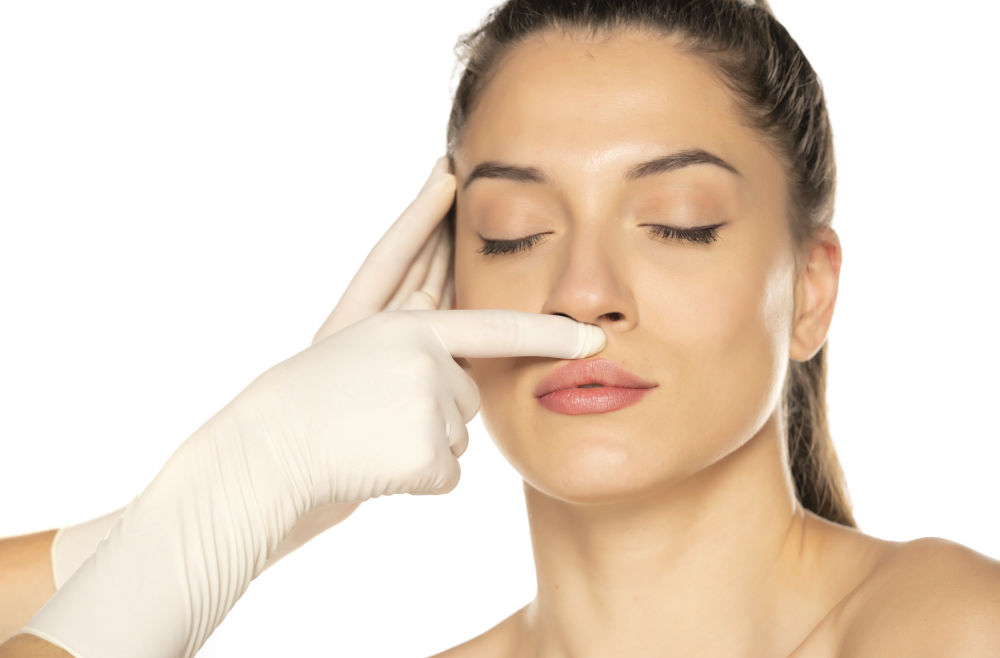
Septorhinoplasty combines surgery on the nasal septum with reshaping or reconstruction of the outside of the nose. It can address structural breathing problems and changes to the bridge or tip during the same operation. Dr. Richard Rival offers septorhinoplasty consultations in Toronto and Newmarket.
What septorhinoplasty is
Septorhinoplasty combines septoplasty, which straightens the wall between the nasal passages, with rhinoplasty, which reshapes or supports the external nose. The septum is made of bone and cartilage. When it bends into one of the passages, it can restrict airflow on that side. The bones and cartilage that give the nose its shape can also contribute to blockage.
After an injury, for example, the septum may bend to one side and the bridge may sit off-centre. Treating both under one anaesthetic allows the surgeon to plan how to open the narrowed passage and realign the bridge together.
Septoplasty, rhinoplasty or septorhinoplasty: which one you need
The choice depends on what is restricting your breathing and what changes you want to make to your nose. If your concern is appearance alone, you can discuss cosmetic rhinoplasty. If you also have trouble breathing through your nose, an examination helps identify which structures are involved.
| Septoplasty | Rhinoplasty | Septorhinoplasty | |
|---|---|---|---|
| What it corrects | A deviated septum that contributes to nasal blockage | The shape or support of the external nose | The septum and the shape or support of the external nose |
| OHIP coverage | May qualify when medically necessary and billing criteria are met | Cosmetic changes are privately paid. Some medically necessary reconstruction may qualify | OHIP may cover the functional portion. The combined operation may qualify under specific criteria and requires prior authorization for coverage |
| Length of surgery | Depends on the extent of septal correction | Depends on the planned changes to the bridge, tip or supporting cartilage | Depends on the extent of both septal correction and nasal reshaping |
| Recovery | Internal swelling, congestion and crusting can occur | Visible swelling and bruising can occur. The shape settles gradually | Recovery can involve both internal congestion and visible swelling |
| Does appearance change? | The operation is usually planned to improve airflow | The operation reshapes or reconstructs the external nose | The operation can change the external shape and correct the septum |
See the Ontario Schedule of Benefits for Physician Services for the coverage criteria.
Signs you may benefit from addressing breathing and shape together
It may be worth discussing septorhinoplasty at your consultation if:
- One nostril often feels more blocked than the other, and you also want to change the bridge or tip.
- Your nose looks crooked after an injury, and breathing through it has been harder since then.
- A doctor found a deviated septum, and you want to know whether the visible crookedness can be addressed during the same operation.
- You still have nasal blockage after septoplasty and have concerns about the shape or support of your nose.
A deviated septum is one possible cause of nasal blockage. Dr. Rival examines the septum, the supporting cartilage and the lining inside the nose to determine which structures may be restricting airflow. That assessment guides the recommendation.
How the operation is done
In a closed septorhinoplasty, the surgeon makes the incisions inside the nostrils. In an open septorhinoplasty, the surgeon also makes a small incision across the strip of skin between the nostrils. The open approach gives the surgeon a wider view of the cartilage, which can be helpful when more extensive reconstruction is planned.
The surgeon straightens or repositions the areas of the septum that contribute to blockage. The surgeon then reshapes or supports the bones and cartilage that form the bridge or tip. If the narrowest part of the nasal airway needs more support, the surgeon may use spreader grafts. These are thin strips of cartilage that help support the side walls of the nose.
Septorhinoplasty typically takes place under general anaesthesia, so you are asleep during surgery. You may be able to go home the same day. Your surgical team will explain how long to allow for surgery and recovery at the facility and whether an overnight stay is expected.
What OHIP covers and what you pay
OHIP may cover medically necessary breathing correction during septorhinoplasty. Changes made solely for appearance are privately paid. Ontario may cover the combined operation if reshaping the nose is medically necessary to achieve an adequate airway or if specific trauma criteria apply. Coverage for the combined operation requires prior authorization from Ontario’s Ministry of Health.
For example, you might need septoplasty to improve airflow and also want a bump removed from your bridge. If the septoplasty qualifies for OHIP and the bridge change is purely cosmetic, OHIP can cover the eligible septal work and you pay for the cosmetic work. If the Ministry approves the combined septorhinoplasty as an insured service, the surgeon cannot charge an additional fee for that insured operation.
If breathing is a concern, you can ask your family doctor for a referral for a nasal airway assessment. When you contact the clinic, mention any previous ENT assessment or nasal surgery. The team can explain the referral process and current wait times.
How much does septorhinoplasty cost?
Your private fee depends on the cosmetic changes in your surgical plan. At your consultation, the clinic can explain what your quote includes, such as the surgeon’s fee, anaesthesia, the surgical facility and routine follow-up. You can also review the practice’s payment and financing options.
Septorhinoplasty recovery week by week
Your nose may feel more blocked in the first few days after surgery. Swelling, dried blood and crusting inside the nose can temporarily restrict airflow. Internal splints or packing can add to that feeling. Splints support or protect healing tissues. Packing is a dressing sometimes used to manage bleeding. Your surgical team will explain when any dressings or splints are due to come out.
| Period | What to expect |
|---|---|
| Week 1 | Congestion, swelling and bruising are common. An external splint often stays in place for about 7 days. Follow your team’s instructions on saline spray or rinsing to help manage crusting. |
| Week 2 | Bruising and visible swelling often start to fade. If internal splints were used, they may come out within 1–2 weeks. Dr. Rival’s general rhinoplasty guidance suggests allowing roughly 1–2 weeks before returning to desk work or school. |
| Weeks 3–4 | Breathing may start to feel easier as internal swelling and crusting settle. Dr. Rival’s general aftercare guidance allows many activities from around 2 weeks. Activities that risk a hit to the nose usually require at least 6 weeks away and clearance from your surgeon. |
| Months 2–3 | Nasal airflow can continue to improve as internal swelling settles. The outside of the nose becomes more defined, and some swelling can remain at the tip. |
| Around month 12 | The shape of the nose is usually closer to its long-term appearance. Your surgeon can assess how the nose has healed and how comfortably you breathe through each side. |
Follow the recovery instructions for your procedure. A job that involves lifting, bending or a risk of being bumped may require more time away than desk work.
Risks and what can go wrong
Septorhinoplasty carries risks such as bleeding, infection and healing problems. A septal perforation, or hole in the septum, can cause crusting, bleeding or a whistling sound. Nasal blockage can persist after healing. Some patients experience asymmetry or a change in shape that differs from what they expected. Further surgery may be an option in some cases.
Studies of functional rhinoplasty report improvements in patient-rated nasal breathing after surgery. Individual results depend on the cause of the blockage, the structures treated and how the nose heals. At your consultation, Dr. Rival can explain which risks of nose surgery apply to your surgical plan.
Septorhinoplasty before and after
Before-and-after photos can show changes to the bridge, tip or alignment of the nose. When comparing cases, look for a starting shape similar to yours and check how long after surgery each photo was taken. Breathing is assessed separately through the patient’s symptoms and follow-up examination.
Browse Dr. Rival’s before and after photos to see examples of changes to the bridge, tip and overall alignment.
Your consultation in Toronto
At an in-person consultation, Dr. Rival asks when the blockage began, whether it affects one side or both, and what you want to change about your nose. He examines the inside and outside of the nose and discusses which structures may need treatment. Digital imaging can help you discuss possible changes to the bridge or tip.
Bring any ENT reports, records from previous nasal surgery and a list of your medications. If your symptoms began after an injury, photos taken before the injury can help show how the shape changed.
Request a septorhinoplasty consultation and select your preferred location.
Frequently asked questions
Is septorhinoplasty covered in Canada?
Provincial health insurance may cover the medically necessary part of septorhinoplasty. In Ontario, OHIP may cover functional correction, and you pay for changes made solely for appearance. The combined operation may qualify if reshaping is needed for an adequate airway or if specific trauma criteria apply. That coverage requires prior authorization.
What is the difference between rhinoplasty and septorhinoplasty?
Rhinoplasty changes the shape or support of the external nose. Septorhinoplasty also corrects the septum, the wall between the nasal passages. Rhinoplasty can address breathing when the outer framework narrows the airway. Septorhinoplasty is an option when the septum also needs correction during the same operation.
Is septorhinoplasty a major surgery?
Yes. Septorhinoplasty is a substantial operation because it changes the nasal framework and corrects the septum under general anaesthesia. You may be able to go home the same day, depending on your surgical plan and how you recover after anaesthesia. You will need time away from strenuous activity and follow-up during healing.
Is septorhinoplasty a painful surgery?
Septorhinoplasty can cause soreness and pressure after surgery. A blocked feeling is also common early on, when swelling, crusting or dressings can restrict airflow. Your surgical team will explain how to manage discomfort. Contact the team if pain worsens or you develop a fever or increasing nasal blockage during recovery.
How long does septorhinoplasty recovery take?
Early recovery often takes about two weeks, and breathing and appearance can continue to change for months. Internal swelling and crusting may affect airflow after visible bruising fades. The shape, especially at the tip, can take around a year to settle. Your surgeon will advise when you can resume work and sports.
Can I have septorhinoplasty if I already had a septoplasty?
Yes, septorhinoplasty may be possible after septoplasty. The surgeon assesses what still limits airflow, how the tissues healed and how much septal cartilage remains for support. Bring your previous operative report if you have it. If further reconstruction is needed, your surgeon may discuss techniques used in revision rhinoplasty.
About Dr. Richard Rival
Dr. Richard Rival, MD, FRCSC, is a Fellow of the Royal College of Physicians and Surgeons of Canada in Otolaryngology–Head and Neck Surgery. He is also a diplomate of the American Board of Facial Plastic and Reconstructive Surgery.
This information is for general education. An in-person consultation is needed to assess your nasal airway and discuss which options are appropriate for you.
