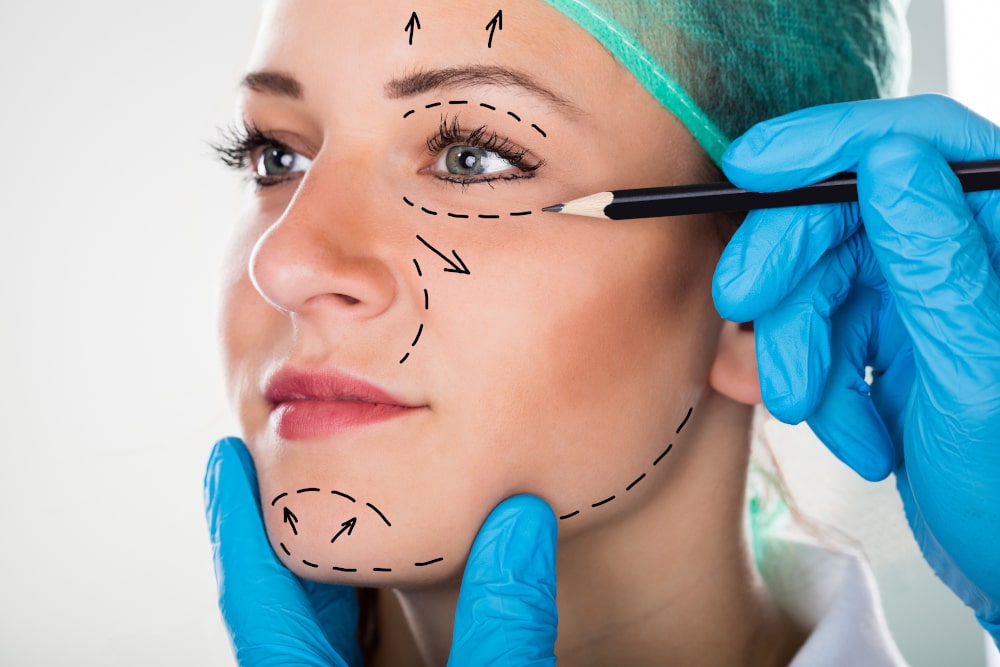
I spend my days looking at faces people love but want to feel more like themselves. Softer jowls. A cleaner jawline. A neck that matches their energy. After thousands of consultations, my philosophy is simple: move what needs to move, leave what doesn’t, and protect the way your face behaves when you live in it.
That’s why I offer a SMAS-deep plane combination based Optimum Mobility Facelift. And why I do not perform deep plane facelifts.
Key Takeaways:
- The Optimum Mobility Facelift uses a targeted SMAS-deep plane combination to lift only what needs lifting, preserving natural facial expression.
- It is ideal for refining the jawline, softening jowls, and improving the neck contour without unnecessary dissection.
- Unlike traditional deep-plane facelifts, it offers a measured surgical footprint, a steady recovery, and long-lasting, natural results.
- Candidates are those with lower-face and neck laxity, stable health, and realistic expectations; not suitable for issues unrelated to laxity.
- Proper planning and execution prioritize facial mobility, safety, and aesthetic harmony, ensuring a refreshed look that still feels like “you.”
Two good roads. Different mileage.
Both techniques can look beautifully natural in skilled hands. They just travel different routes.
- Deep plane goes beneath the SMAS, releases more retaining ligaments, and often moves cheek, jowl, and jawline as a single unit. Powerful for selected midface-heavy concerns. It’s also broader surgery — more release, more anatomy to navigate, a denser early recovery for many patients.
- Optimum Mobility works in the SMAS and deep plan combination en block. I map how your tissues want to move (intrinsic mobility), add surgical mobility only where you’re tethered, and secure everything at points of optimum mobility. Real lift. Measured footprint. Expression intact.
Different routes. Same destination: you, looking rested.
What patients actually ask me for
Most point to the same three things:
- Jawline that’s crisp again.
- Jowls softened.
- Neck that matches the face.
- Chin- Neck angle Definition
That trio lives in the lower third. A SMAS-based plan is exceptionally strong there. So I choose the tool that solves the common problem without opening every door in the hallway “just in case.”
How the Optimum Mobility Facelift works
I don’t start with a label. I start with mobility mapping.
I watch your face at rest and in motion. Where do vectors want to go? Where are they stuck?
- Targeted release. If a zone is tethered, I free it. If it’s already mobile, I leave it alone.
- Vectoring and fixation. I lift along lines that sharpen the mandibular border, support the marionette area, and refine the cervico-mental angle. Fixation happens at points of optimum mobility — strong where needed, soft where expression matters.
- Skin as a passenger. Structure does the work. Skin follows without tension. That’s how you avoid the “pulled” look and help scars mature nicely.
Small choices compound — incision design, meticulous hemostasis, thoughtful layered closure. Craft matters more than slogans.
Why I don’t offer deep plane
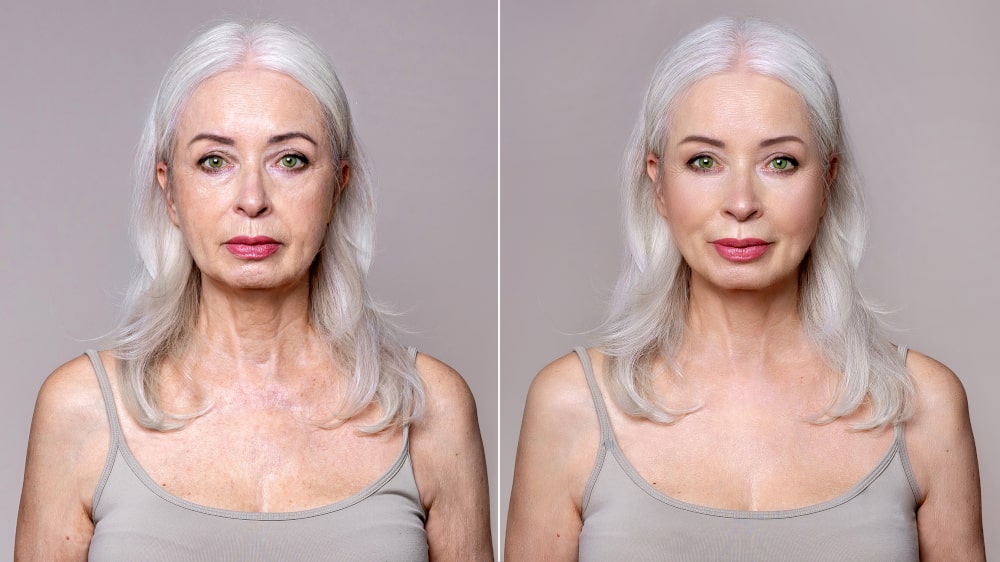
Not because it’s “wrong.” Because most people sitting across from me don’t need that depth to reach their goals. If your priorities are jowls, jawline, and neck, a measured SMAS-based plan delivers the change you want while keeping how your face behaves — yours. Less unnecessary dissection. More control. Calmer recovery.
If someone’s central midface has truly dropped — flattened cheek projection, deep nasolabial folds — and that is the number-one complaint, deep plane may be discussed in the wider field. In my practice, the Optimum Mobility Facelift approach fits the majority of goals with a precise, conservative footprint.
Who is (and isn’t) a candidate
Good candidates tend to share three things:
- Laxity along the jawline and neck they’d like refined.
- Healthy lifestyle and stable weight.
- Realistic expectations: refreshed, not “different.”
I’ll ask you to wait if:
- You smoke or vape and can’t commit to stopping one year before surgery.
- Blood pressure or medical conditions aren’t controlled.
- You’re seeking results surgery can’t give (skin quality issues that belong to skincare/lasers, for instance).
Clear expectations are kind. They protect your result and your peace of mind.
What the operation actually involves
- Anesthesia & facility. Outpatient procedure under general anesthesia in an accredited setting.
- Incisions. Discreetly in the natural creases: around the ear, sometimes into the temporal hairline and a short extension behind the ear. For neck work, a precise incision under the chin will be used.
- The lift. SMAS released where it’s stuck, repositioned along planned vectors, secured at stable points. Skin redraped without tension.
- Adjuncts when helpful. Platysma tightening, selective fat contouring, deep neck work if indicated. No routine “more” for the sake of more.
Time in the operating room varies by anatomy and scope. The plan is yours — not a template.
Recovery, honestly (typical rhythm)
Everyone heals at their own pace, but this is common:
- Days 0–3. Rest. Short walks at home. Keep the head elevated. Tight by evening is normal.
- Days 4–7. Swelling and bruising peaks. First few staple removals begin. Light household tasks.
- Days 8–14. Sutures dissolve. Makeup and hair do a lot of camouflage if you want them.
- Around week 3. Most people feel socially comfortable — dinners out, errands, video calls.
- Weeks 6–8. The face softens into its contours; the neck line reads cleaner in photos; scars are pink but settling.
- 3–6 months. Maturation. You forget you’re “post-op.” Everyone else just thinks you look well.
If there’s a big event, choose the later part of that window. Confidence photographs better than concealer.
Pain, drains, dressings, the practical bits
- Discomfort is usually well-controlled with a short course of meds and then plain pain relievers.
- Drains are case-by-case; if used, they’re brief overnight.
- Dressings/garments are light and temporary; I’ll tell you exactly how and when to wear them.
- Activity. Walking from day one. Light cardio after 4-6 weeks. No heavy lifting or straining for several weeks.
- Hair color & heat tools. Wait until incisions are sealed and calm — typically a few weeks. We’ll time it together.
You’ll get a simple checklist. No mysteries.
Scars — real talk
Incisions are placed to hide in natural shadows and hairlines, and the skin isn’t asked to carry tension. That’s half the battle. Your job is sun protection, gentle care, and patience. Good scars are quiet, not invisible.
Safety and known risks
Any surgery carries risk — hematoma, infection, delayed healing, temporary nerve changes among them. We manage risk with planning, gentle tissue handling, and follow-up. You’ll know what to watch for and how to reach me. Calm surgery. Calm aftercare.
Longevity and maintenance
Facelifts don’t stop time; they reset where you’re starting from. Thoughtful skin care, sun habits, and weight stability preserve that reset. Some people choose occasional, conservative nonsurgical touch-ups over the years. Others simply enjoy the new baseline. Both approaches are valid.
Will this change how I look when I smile?
No — done properly, it improves contours while preserving expression. The SMAS and deep tissues carries the lift, not the skin. Your smile stays yours. That’s the point.
When I advise against surgery
If the main issue is skin quality alone (texture, pores, fine lines) and not laxity — surgery isn’t the first tool. If the request is to look like someone else — also not a surgical problem. My job is to recommend the right treatment, not to sell you the wrong one.
Quick comparison in plain language
| What you care about | Optimum Mobility (SMAS-based- deep plane combination) Facelift | Deep Plane Facelift |
|---|---|---|
| Primary plane | SMAS and deep plane tissues with targeted releases | Beneath the SMAS with broader ligament release |
| Signature strengths | Jawline, jowls, neck; chin-neck angle natural animation | Midface fullness in selected anatomies |
| Surgical footprint | Measured; mobility only where needed | Deeper, wider dissection; unit movement |
| Early recovery feel | Often steady and predictable | Can be denser early on, case-dependent |
| In my practice | Standard approach | Not offered |
What this operation won’t do
- It won’t change your nose, lips, or eyes — that’s different surgery.
- It won’t erase every fine line — skin quality lives with skincare and lasers.
- It won’t freeze your face — if anything, people notice you look more like you.
If you’re thinking about it
Bring your mirror notes. Tell me what bothers you and by when you’d like to be camera-ready. I’ll map your facial mobility, show you what a targeted SMAS-based Optimum Mobility Facelift can do for your contours, and design a plan that respects both your anatomy and your calendar. If you were told you “must” have a deep plane facelift, come in anyway — second looks are healthy, and the gentler route might be exactly what you wanted all along.
— Kristina Zakhary, MD, FRCSC
Facial Plastic & Reconstructive Surgeon, Calgary
FAQ
What is the Optimum Mobility Facelift?
The Optimum Mobility Facelift is a SMAS-based deep-plane combination procedure designed to lift only the areas that need it, preserving natural facial expression while refining the jawline, softening jowls, and improving neck contours.
How is the Optimum Mobility Facelift different from a deep plane facelift?
Unlike a traditional deep plane facelift, which moves cheek, jowl, and jawline as a single unit with broader dissection, the Optimum Mobility Facelift targets only tethered areas, leaving mobile tissue untouched. This results in a measured surgical footprint, natural expression, and a steadier recovery.
Who is a good candidate for this facelift?
Ideal candidates have lower-face and neck laxity they wish to refine, maintain a healthy lifestyle and stable weight, and have realistic expectations for a refreshed, natural look. People with skin quality issues unrelated to laxity, uncontrolled medical conditions, or who smoke may be advised to wait.
What does the procedure involve?
The procedure is performed under general anesthesia in an accredited outpatient facility. Incisions are discreetly placed around the ear, temporal hairline, and under the chin if needed. SMAS tissue is released where tethered, lifted along planned vectors, and secured. Skin follows without tension. Adjunct procedures like platysma tightening or fat contouring are used selectively.
What is the typical recovery timeline?
Recovery varies per patient, but typically: Days 0-3: rest, short walks; Days 4-7: swelling and bruising peak; Days 8-14: sutures dissolve, makeup possible; Weeks 3-8: contours settle, scars pink; 3-6 months: full maturation, results appear natural and long-lasting.
Will this facelift change how I look when I smile?
No, when performed properly, the facelift improves facial contours while preserving natural expression. The SMAS and deep tissues carry the lift, not the skin, so your smile remains unchanged.
Are there risks with the Optimum Mobility Facelift?
As with any surgery, there are risks such as hematoma, infection, delayed healing, or temporary nerve changes. Risks are minimized through careful planning, gentle tissue handling, and follow-up care. Patients are informed on how to monitor and manage potential issues.
How long do the results last?
Facelifts reset the starting point of aging rather than stopping time. Results can be maintained with good skincare, sun protection, and stable weight. Some patients choose occasional conservative nonsurgical touch-ups, while others enjoy the refreshed baseline naturally.