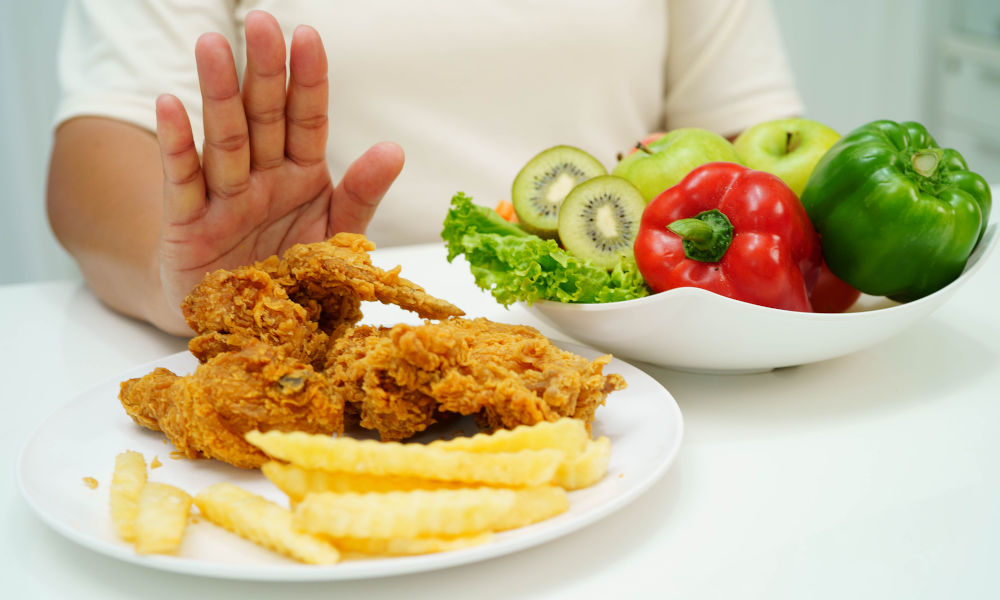
After rhinoplasty, certain foods can significantly increase swelling, prolong healing, trigger nausea, or interfere with medications used during recovery. Alcohol, high-sodium foods, excessive caffeine, spicy meals, and hard or chewy foods are best avoided during the early healing phase. Choosing the wrong foods may not permanently damage your surgical outcome, but it can slow recovery, increase discomfort, and make the first 1–2 weeks far more difficult than necessary.
“The first days after rhinoplasty are about minimizing swelling and avoiding anything that places unnecessary stress on healing tissues. Diet plays a much bigger role than many patients expect.”
— Dr. Richard Rival, Facial Plastic Surgeon
Why Diet Matters After Rhinoplasty
Rhinoplasty is not just cosmetic surgery — it is structural surgery involving bone, cartilage, blood vessels, and delicate nasal tissues. During recovery, your body is working to:
- reduce inflammation,
- reabsorb swelling,
- repair tissue,
- and stabilize the nasal framework.
What you eat directly affects:
- fluid retention,
- blood pressure,
- inflammation levels,
- nausea and digestion,
- and how your body processes pain medication or anesthesia residue.
Even “normal” foods can temporarily worsen swelling or discomfort in the immediate post-operative period.
1. Alcohol
Alcohol is one of the most important substances to avoid after rhinoplasty.
Why alcohol is a problem after nose surgery
Alcohol:
- dilates blood vessels, which increases swelling and bruising,
- can interfere with pain medication and antibiotics,
- increases dehydration, slowing tissue repair,
- raises the risk of dizziness or nausea during early recovery.
Even small amounts can worsen facial swelling during the first week.
How long should alcohol be avoided?
Most surgeons recommend avoiding alcohol for at least 7–14 days, and longer if swelling persists or medications are still required.
“Alcohol increases inflammation and fluid retention. Avoiding it during early recovery helps swelling settle faster and more predictably.”
— Dr. Richard Rival

2. High-Sodium Foods
Salt causes the body to retain fluid, worsening post-operative swelling.
Foods to watch closely
- processed meats (bacon, deli meats),
- canned soups,
- frozen meals,
- salty snacks (chips, pretzels),
- restaurant and fast food.
Even foods that don’t taste salty can contain large amounts of sodium.
Why sodium matters after rhinoplasty
Excess sodium:
- increases facial puffiness,
- prolongs swelling around the nose and eyes,
- can make splints and dressings feel more uncomfortable.
Lower sodium smoother, faster-feeling recovery.
3. Highly Caffeinated Foods and Drinks
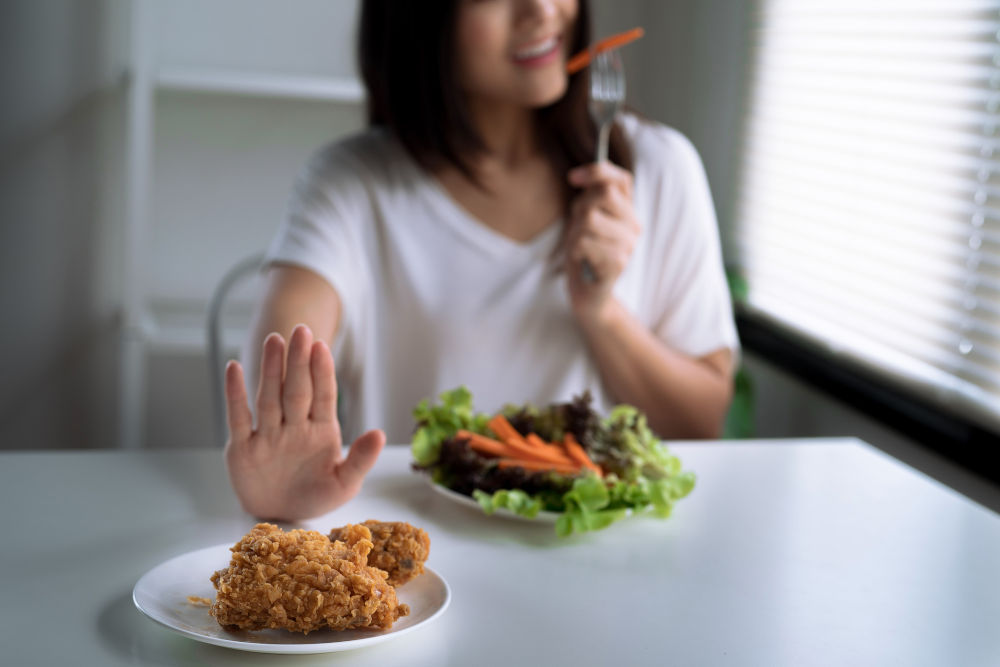
Caffeine is not strictly “forbidden,” but excessive intake is discouraged, especially early on.
Why too much caffeine can be problematic
High caffeine intake may:
- raise blood pressure,
- contribute to dehydration,
- worsen restlessness and sleep disruption,
- increase sensitivity to residual anesthesia.
Sleep and hydration are critical for healing, and caffeine can interfere with both.
Practical advice
- Limit coffee, energy drinks, and strong tea.
- Small amounts may be acceptable if approved by your surgeon.
- Prioritize water and non-caffeinated herbal teas.
4. Spicy Foods
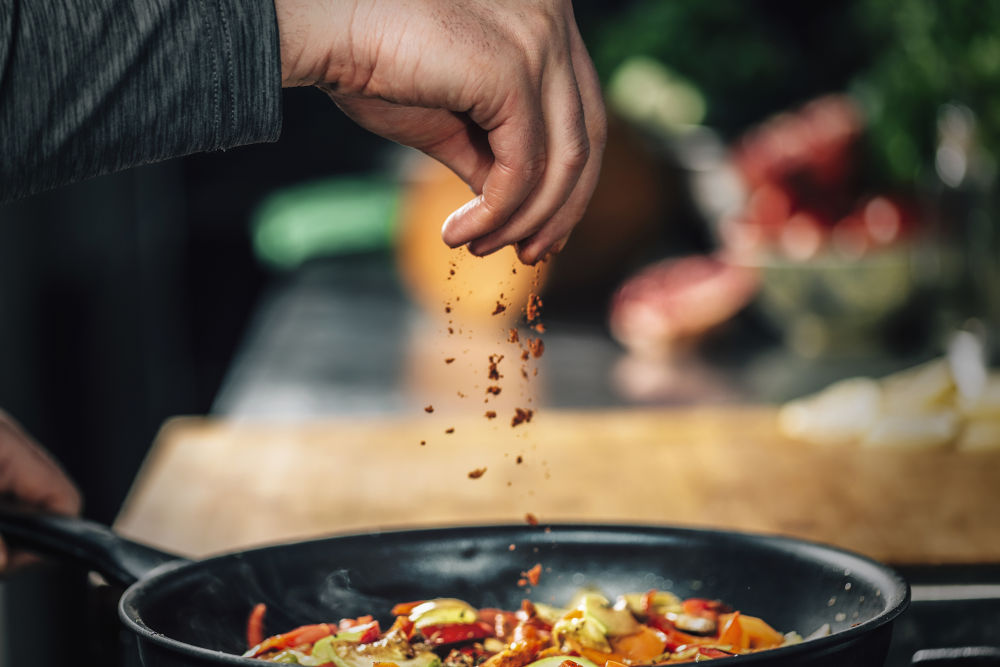
Spicy foods are generally healthy, but not ideal immediately after rhinoplasty.
Why spicy foods can cause issues
In early recovery, spicy foods may:
- trigger nausea or acid reflux,
- increase facial flushing,
- irritate sensitive nasal passages,
- provoke sneezing or coughing (which patients should avoid).
Sneezing or forceful facial movements can be uncomfortable and stressful during the first post-operative days.
5. Hard or Chewy Foods
Chewing places subtle but real stress on facial muscles and jaw movement, which can indirectly affect nasal comfort.
Foods to avoid initially,
- hard candy,
- crusty bread,
- steak or tough meats,
- nuts,
- chewy snacks.
Better alternatives
During the first few days, soft foods are ideal:
- soups,
- yogurt,
- smoothies,
- mashed vegetables,
- eggs,
- oatmeal.
“Soft foods reduce strain on facial muscles and make the early recovery period far more comfortable for patients.”
— Dr. Richard Rival
What Should You Eat Instead? (Quick Guidance)
While this article focuses on what to avoid, a good recovery diet generally includes:
- soft, easy-to-chew foods,
- low-sodium meals,
- adequate protein,
- plenty of fluids,
- fruits and vegetables rich in vitamins A and C.
These support tissue repair and immune function.
Common Questions About Eating After Rhinoplasty
How long do dietary restrictions last after rhinoplasty?
For most patients, the most important dietary restrictions apply during the first 7–14 days after rhinoplasty. This is the period when swelling, bruising, and tissue sensitivity are at their peak. During this time, avoiding alcohol, high-sodium foods, spicy meals, and hard or chewy foods can significantly improve comfort and reduce inflammation. Some patients, particularly those prone to swelling, benefit from limiting sodium and alcohol for several weeks until healing stabilizes.
Can eating the wrong foods ruin rhinoplasty results?
Eating the wrong foods is very unlikely to permanently ruin rhinoplasty results. However, poor dietary choices can increase swelling, fluid retention, nausea, and discomfort, which may prolong recovery and delay the visibility of final results. While diet does not change the surgical work itself, it can meaningfully affect how smooth and comfortable the healing phase feels.
Is nausea after rhinoplasty related to food?
Sometimes. Post-operative nausea is commonly related to anesthesia, pain medications, or antibiotics, especially in the first few days after surgery. However, spicy, greasy, or heavy foods can worsen nausea during early recovery. Choosing light, bland, easy-to-digest foods and staying well hydrated often helps reduce stomach discomfort after rhinoplasty.
Have More Rhinoplasty Recovery Questions?
Every patient heals differently. If you have questions about diet, swelling, medications, or recovery timelines, personalized guidance is always best.
If you’re preparing for rhinoplasty or are currently recovering, you can book a consultation with Dr. Richard Rival at one of his Toronto clinics to receive tailored post-operative advice and support.