
Your nose can reveal more than changes in appearance. Ongoing congestion, breathing difficulties, smell changes, frequent nosebleeds, or a nose that feels out of balance may point to underlying structural or functional issues. This article explains what common nasal symptoms and features can-and cannot-tell you, and when it may be worth seeking a professional assessment.
Key Takeaways
- Persistent nasal blockage, smell changes, or frequent nosebleeds should be assessed if they do not resolve.
- Breathing problems may be caused by a deviated septum, nasal valve weakness, allergies, or other structural issues.
- Nose shape affects facial balance but does not reveal personality or character.
- Functional and cosmetic concerns often overlap and may require different treatment approaches.
- A specialist can determine whether symptoms are best managed medically or with procedures such as septoplasty or rhinoplasty.
Table of Contents
- What the Nose Can Reveal About Breathing
- When One Side Always Feels Blocked
- Deviated Septum Symptoms
- Septoplasty, Functional Rhinoplasty, or Both
- Smell Changes and What They May Mean
- What Mucus Colour Can and Cannot Tell You
- When Nosebleeds Need More Attention
- Redness, Swelling, and Colour Changes
- What Nose Shape Can Actually Say
- Genetics, Ancestry, and Nasal Identity
- When Rhinoplasty Is Not Only About Appearance
- When to See a Nose Specialist
- FAQ
A few things worth knowing first
Your nose is involved in breathing, smell, air filtration, moisture, sleep comfort, voice resonance, and facial proportion. When something changes, it may be minor, but it may also be structural.
Ongoing blockage may come from allergies, irritation, a deviated septum, enlarged turbinates, weak nasal valves, previous injury, or several of these at once.
Smell loss, phantom smells, repeated nosebleeds, ongoing congestion, or unusual colour changes should be checked if they persist or appear suddenly.
Nose shape can affect facial balance and self-perception. It does not define personality.
Genetics and ancestry influence bridge height, nostril width, tip shape, projection, and skin thickness.
When the issue is structural, functional, cosmetic, or mixed, options such as septoplasty, functional rhinoplasty, cosmetic rhinoplasty, or septorhinoplasty may be discussed after assessment.
The nose as part of your airway
People tend to notice the nose as a facial feature before they think of it as part of the airway. Yet the nose is working all day, usually without much credit.
It warms the air. It adds moisture. It filters some dust and irritants. It lets odours reach the smell receptors. Since smell and taste are closely connected, nasal congestion can also make food seem dull. The nose also affects sleep and exercise more than many people realise.
When nasal breathing is clear, none of this feels interesting. When it is not, it can become very noticeable.
A person may wake with a dry mouth. They may breathe through the mouth when walking uphill. They may snore when the nose is blocked. They may feel one nostril is always narrower. They may use a spray at night because sleep feels impossible without it.
These symptoms do not all mean the same thing. Some come from swelling inside the nose. Some come from anatomy. Some come from both.
A short cold is one thing. A long-term breathing pattern is another.
When waiting is not enough
It is reasonable to wait out a mild cold, seasonal irritation, or short spell of dryness. The nose reacts to weather, allergens, dust, smoke, fragrance, and indoor heating.
But persistent symptoms deserve more attention. So do symptoms that are mainly one-sided, worsening, recurring, linked to injury, or affecting sleep and exercise.
That does not mean surgery. It means the nose should be examined instead of guessed at.
When one side always feels blocked
Blocked nasal breathing is one of the most common reasons patients seek an opinion from a nose specialist.
Some people describe pressure or congestion. Others describe something more mechanical: the air simply does not pass well. They may say one side has always been worse, or that breathing improves if they pull the cheek outward. Some notice the nostril or sidewall collapses slightly when they inhale. Others connect the problem to an old injury or a previous surgery.
Inflammation can cause blockage. Allergies, sinus irritation, smoke, dust, mould, pets, workplace exposure, and dry air can all make the nasal lining swell.
Structure can cause blockage too. The septum may be off-centre. The turbinates may be enlarged. The nasal valves may be narrow or weak. The bridge or sidewall may have changed after trauma. A crooked-looking nose may also be blocked inside, although the two do not always match perfectly.
That is why the inside of the nose matters as much as the outside. A straight-looking nose can still have a deviated septum. A crooked nose can have both cosmetic and functional issues. Photographs alone do not answer the breathing question.
Deviated septum symptoms
The septum is the wall between the left and right nasal passages. When it sits off-centre, it is called a deviated septum.
Many people have some deviation. Some breathe normally and never need treatment. When the deviation narrows airflow, it may contribute to one-sided blockage, congestion, mouth breathing, snoring, poor sleep, or difficulty breathing through the nose during activity.
The question is not simply whether the septum is deviated. The question is whether it is causing symptoms.
Septoplasty, functional rhinoplasty, or both
Septoplasty addresses the septum inside the nose. It is usually discussed when septal deviation is a meaningful part of the obstruction.
Functional rhinoplasty is different. It deals with airflow problems related to the supporting structures of the nose, such as nasal valve weakness, sidewall collapse, structural narrowing, or changes from injury or previous surgery.
Sometimes the two are connected. A patient may have a crooked outer nose and a blocked airway. Another may have a narrow middle vault that affects both breathing and appearance. Another may have had a rhinoplasty years ago and now notices collapse or restriction.
When function and appearance overlap, septorhinoplasty may enter the conversation.
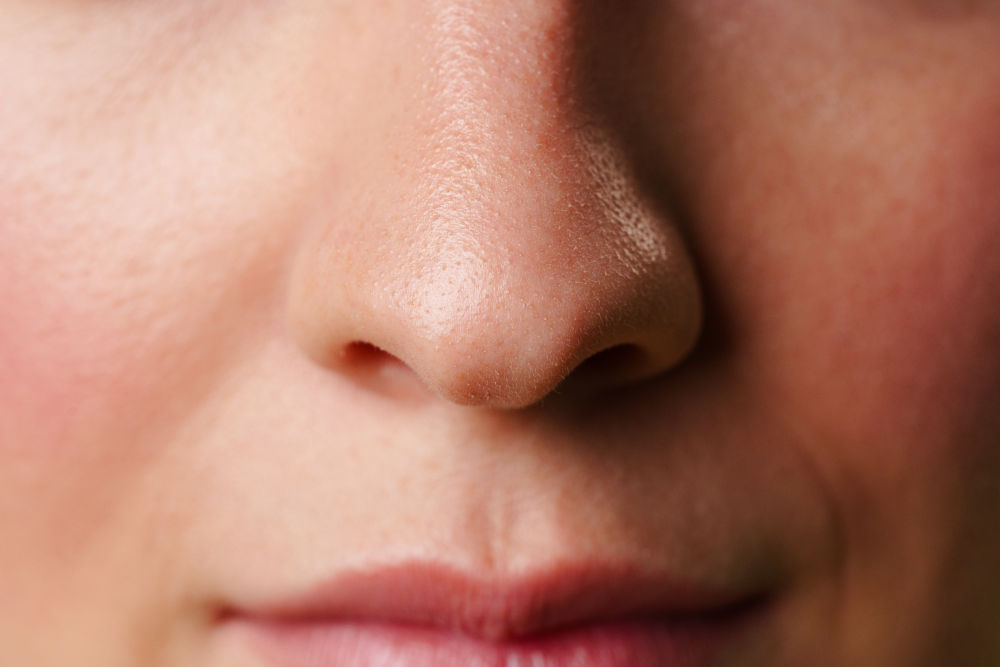
Smell changes deserve a little respect
Losing smell can feel oddly personal. Coffee is suddenly flat. Food loses character. Perfume disappears. Smoke may be harder to detect.
A reduced sense of smell often happens during a cold, sinus infection, allergy flare, or period of heavy congestion. If odours cannot reach the smell receptors properly, smell may drop until the inflammation settles.
Smell can also change after some viral illnesses. It may change after head trauma. Some people experience phantom smells, also called phantosmia. They may smell smoke, burning, chemicals, or something unpleasant when no obvious source is present.
There is no need to jump to the worst explanation. Smell changes have many possible causes, and many are not serious. Still, a sudden change, a persistent change, a change after injury, or phantom smells that keep returning should be assessed.
The practical rule is simple: if smell returns as the cold clears, that is reassuring. If it does not, or if the change feels unusual, get it checked.
Mucus colour is not a diagnosis
Mucus colour gets too much attention.
Clear mucus may be normal. It may also come with allergies, irritation, cold weather, or the start of a cold.
White mucus often appears when the nose is congested or dry.
Yellow or green mucus usually means the immune system is active. It can happen with viral infections and does not automatically mean a bacterial infection.
Pink or red mucus means blood is mixed in. Dryness, frequent blowing, irritation, trauma, or a small nosebleed can cause that.
Brown or black mucus may be old blood, smoke, pollution, dust, or environmental exposure. If it continues, it should be checked.
Colour is only one detail. Duration matters more. So do fever, facial pain, pressure, smell changes, bleeding, and whether symptoms are improving or worsening.
A few days of yellow mucus during a cold is very different from weeks of thick discharge with facial pain and worsening congestion.
Nosebleeds: ordinary until they form a pattern
The lining inside the nose is delicate. Small blood vessels sit close to the surface, especially near the front of the septum. That is why nosebleeds are so common.
Dry indoor air can do it. So can allergies, repeated blowing, picking, irritation from sprays, or a minor knock. Some people bleed more easily because of blood-thinning medication, high blood pressure, clotting issues, or a septum shape that allows one area to dry repeatedly.
One occasional nosebleed is usually not alarming.
Repeated nosebleeds deserve more attention. So does bleeding that is heavy, hard to stop, linked to injury, always coming from the same side, or accompanied by dizziness, weakness, unusual bruising, or other symptoms.
The point is not to make nosebleeds sound frightening. It is to notice when “just a nosebleed” becomes a recurring problem.
Redness, swelling, and colour changes
The skin of the nose changes for many ordinary reasons.
Redness may come from rosacea, sun exposure, rubbing, allergies, temperature changes, irritation, or inflammation. A red nose after cold weather or frequent wiping is common.
Persistent redness is different. So are sores that do not heal, crusting, bleeding spots, increasing tenderness, swelling, or a sudden change after injury.
A bluish colour around the nose or lips needs more caution, especially when connected with breathing difficulty, chest symptoms, faintness, or circulation concerns. That should be assessed promptly.
Not every skin change has anything to do with rhinoplasty or nasal function. But persistent, painful, sudden, or unexplained changes should not be treated as a cosmetic detail only.
What nose shape can actually say
Nose shape says something about proportion. It does not say much about personality.
A dorsal hump can make the profile look stronger. A drooping tip can make the nose appear longer. A wide bridge may draw attention away from the eyes. A bulbous tip can make the lower nose look heavier. A flat bridge or underprojected tip can affect definition. A crooked nose may make the face seem less centred.
These are visual relationships, not character traits.
The nose sits between the forehead, eyes, cheeks, lips, chin, and jawline. Change one part of the nose and the rest of the face may be read differently. That is why rhinoplasty should not be planned around one isolated feature.
The better question is not “What is the ideal nose?” It is “What belongs on this face?”
A natural-looking plan considers the bridge, tip, nostrils, projection, width, skin thickness, chin, lips, cheeks, ethnicity, age, and existing facial proportions. It also considers breathing. A beautiful-looking nose that does not breathe well is not a good result.
Confidence without the personality myths
Some people live with a nasal concern for years before they talk about it. They avoid profile photos. They dislike how the nose looks when smiling. They feel a hump dominates the face. They notice the tip more than anything else. They may have never liked the shape after an injury.
That does not mean the nose defines them. It also does not mean the concern is imaginary.
Facial balance can affect self-perception. A careful rhinoplasty consultation should respect that without promising perfection or treating every natural feature as a flaw. The best result usually looks familiar, only more settled with the rest of the face.
Genetics, ancestry, and nasal identity
Nose shape runs in families. Bridge height, nostril width, projection, tip shape, and skin thickness are all influenced by genetics. Ancestry can influence these features too, although not in a neat or rigid way.
People do not fit into simple nose categories. Features are mixed. Families vary. Individuals vary even more.
This matters in rhinoplasty. Ethnic rhinoplasty should not mean making every nose smaller, narrower, or more Western-looking. It should mean respecting the patient’s natural features while improving balance, function, or both.
For one patient, the change may be a refined tip. For another, it may be better nostril balance, bridge support, straightening, or improved airflow. Some patients want subtle changes. Others want something more defined. The plan should come from the person’s anatomy and goals, not from stereotypes.
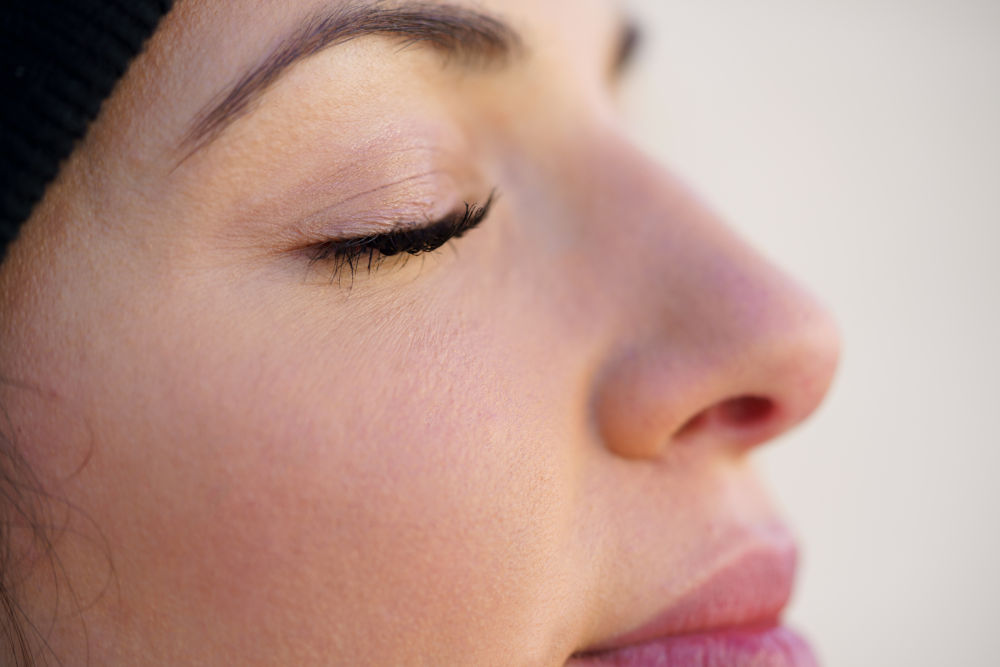
When rhinoplasty is not only about appearance
Rhinoplasty is often talked about as cosmetic surgery, but the nose does not divide appearance and function cleanly.
A crooked nose may also have a blocked airway. A previous injury may affect the profile and the septum. Weak nasal sidewalls may create a pinched look and restrict breathing. A drooping tip may be both an aesthetic concern and a support issue.
Cosmetic rhinoplasty focuses on shape, profile, symmetry, nostrils, tip definition, and proportion.
Septoplasty focuses on the septum.
Functional rhinoplasty focuses on airflow and structural support.
Septorhinoplasty may be considered when the cosmetic and breathing concerns are linked.
This is one reason a consultation is useful. Two patients may describe the same concern, such as a crooked nose or blocked nostril, but need very different treatment plans.
When to see a nose specialist
You do not need a specialist for every stuffy day. You may need one when a nasal issue keeps returning or starts affecting daily life.
Reasonable reasons to book an assessment include persistent blockage, one-sided obstruction, mouth breathing at night, snoring linked to nasal blockage, frequent sinus infections, repeated nosebleeds, sudden or ongoing smell changes, collapse when breathing in, nasal trauma, a crooked nose after injury, concerns after previous rhinoplasty, or dissatisfaction with nasal balance.
Some concerns are treated medically. Some are structural. Some do not need surgery. Some involve both function and appearance.
A consultation with Dr. Richard Rival may include a review of symptoms, allergies, breathing history, previous injuries, previous surgery, and aesthetic goals. The nose may be assessed externally and internally, including the septum, nasal valves, bridge, tip, nostrils, skin thickness, support, and facial proportions. Photos may be used when aesthetic planning is part of the visit.
The aim is to understand the cause before choosing treatment.
Final thoughts
Your nose can offer clues about airflow, smell, dryness, bleeding, injury, skin changes, and facial balance. It cannot define your personality.
A short-lived symptom may be a cold, allergy flare, or irritation. A symptom that persists, returns often, affects one side, changes smell, causes repeated bleeding, follows trauma, or interferes with sleep and breathing deserves a closer look.
If you are concerned about nasal function or appearance, a consultation with Dr. Richard Rival in Toronto can help clarify what is happening and whether medical treatment, septoplasty, functional rhinoplasty, cosmetic rhinoplasty, or another option may be appropriate.
FAQ
What can your nose tell you about your health?
It can give clues about airflow, congestion, dryness, bleeding, smell, irritation, or previous injury. It cannot diagnose a condition by appearance alone.
Can a deviated septum cause breathing problems?
Yes. A deviated septum can contribute to one-sided blockage, mouth breathing, snoring, poor sleep, or difficulty breathing through the nose during activity. Some deviations cause no major symptoms, so an exam is needed.
Why do I breathe better through one nostril than the other?
A small difference can be normal. If one side is almost always worse, possible causes include a deviated septum, turbinate enlargement, inflammation, allergy, nasal valve narrowing, or old trauma.
When should I worry about losing my sense of smell?
A temporary change during a cold or allergy flare is common. Smell loss should be checked if it is sudden, persistent, follows head trauma, or comes with other concerning symptoms.
What does mucus colour mean?
Mucus colour is only one clue. Clear mucus may be normal or allergy-related. Yellow or green mucus can occur during immune activity. Red or pink mucus means blood is present. Duration and other symptoms matter more than colour alone.
When are nosebleeds a concern?
They should be checked if they are frequent, heavy, hard to stop, always one-sided, linked to injury, or associated with dizziness, weakness, unusual bruising, or other symptoms.
Can nose shape affect facial balance?
Yes. Bridge height, tip shape, nostril width, projection, and symmetry can affect how balanced the face looks from the front and side.
Does nose shape determine personality?
No. Nose shape does not reliably indicate personality or character. Claims that certain nose shapes reveal confidence, creativity, generosity, or temperament are not medically useful.
How does ancestry influence nose shape?
Genetics and ancestry can influence bridge height, nostril width, projection, skin thickness, and tip shape. These features vary widely, even within the same background.
When should I see a specialist about my nose?
Consider seeing a specialist if you have persistent blockage, one-sided obstruction, repeated nosebleeds, smell changes, breathing trouble, nasal trauma, concerns after previous surgery, or a nasal shape concern that affects facial balance.